




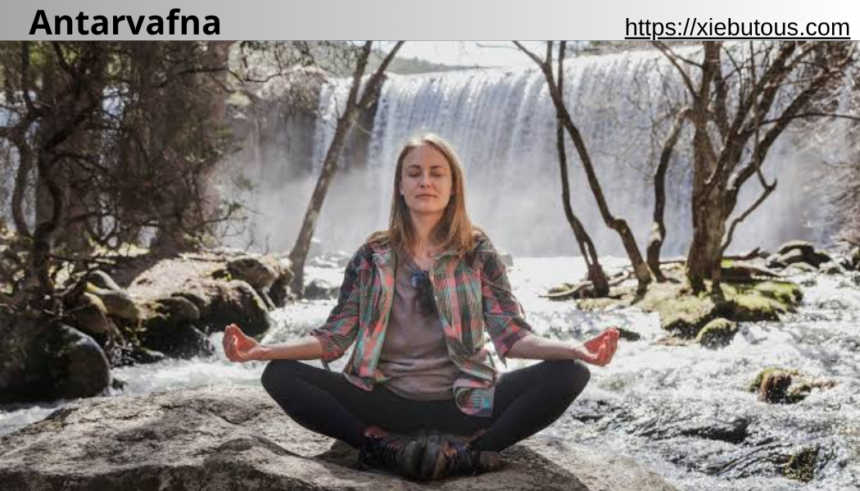
Modern life moves quickly. Many people spend their days balancing work, family responsibilities, technology, social media, and constant streams of information. While these advancements have made life more convenient, they have also created new challenges. Stress, anxiety, mental fatigue, and emotional overload have become common experiences for people of all ages.
Because of this, more individuals are looking for practical ways to calm the mind without escaping daily responsibilities. One concept that has started gaining attention is antarvafna. Although it is not yet widely discussed in mainstream wellness resources, the philosophy behind antarvafna offers a meaningful way to develop inner peace, emotional awareness, and mental clarity.
Unlike techniques that focus on controlling every thought, antarvafna encourages people to observe their inner experiences naturally. Instead of forcing the mind into silence, it creates space for thoughts, emotions, and feelings to appear without judgment, resistance, or unnecessary analysis.
This guide explores antarvafna in depth. Rather than repeating existing online information, it explains the philosophy from a practical perspective, showing how it can improve emotional well-being, decision-making, relationships, and everyday life. Whether you are new to mindfulness or already interested in personal growth, understanding antarvafna can help you develop a healthier relationship with your own mind.
What Is Antarvafna?
Antarvafna is a practice of inner observation and self-awareness that encourages individuals to experience their thoughts and emotions without trying to control or classify them.
The word is often associated with the idea of turning attention inward instead of constantly reacting to the outside world.
Rather than asking you to stop thinking, antarvafna invites you to notice what is happening inside your mind with patience and openness.
This practice recognizes that every thought and emotion has value. Instead of labeling experiences as “good” or “bad,” antarvafna teaches acceptance and understanding.
Its ultimate goal is not perfection but greater awareness.
Also read:Adultsrach: Complete Guide to Features, Benefits, Privacy, Safety, and Everything You Should Know
Understanding the Meaning of Antarvafna
The concept of antarvafna can be understood through two connected ideas.
Inner Awareness
The first part focuses on becoming aware of your internal experience.
This includes noticing:
- Thoughts
- Feelings
- Emotions
- Physical sensations
- Personal reactions
Many people spend years reacting automatically without recognizing these inner experiences.
Antarvafna encourages conscious observation instead.
Non-Judgmental Observation
The second part emphasizes observing without immediate judgment.
Instead of thinking:
“I shouldn’t feel this.”
The practice encourages:
“I notice this feeling.”
This small shift often reduces emotional pressure.
The Philosophy Behind Antarvafna
At its core, antarvafna teaches that peace develops naturally when we stop fighting our own minds.
Many people believe happiness requires eliminating negative thoughts.
Antarvafna offers a different perspective.
It suggests that suffering often comes from resisting thoughts rather than from the thoughts themselves.
By allowing thoughts to exist without attachment, the mind gradually becomes calmer.
This philosophy promotes:
- Acceptance
- Curiosity
- Patience
- Compassion
- Self-understanding
Rather than seeking constant positivity, antarvafna encourages emotional balance.
Why Antarvafna Is Becoming More Relevant
Modern lifestyles create constant mental stimulation.
People are surrounded by:
- Smartphones
- Social media
- Notifications
- News updates
- Work demands
- Entertainment
The brain rarely has opportunities to rest.
As a result, many individuals experience:
- Mental exhaustion
- Difficulty concentrating
- Emotional overwhelm
- Sleep problems
- Anxiety
Practices like antarvafna provide a simple way to reconnect with the present moment.
Instead of escaping life, they help people experience life more consciously.
Core Principles of Antarvafna
Several principles define the practice.
Awareness Before Action
Many reactions happen automatically.
Antarvafna encourages observing thoughts before responding.
This creates space for wiser decisions.
Acceptance Instead of Resistance
Trying to suppress emotions often makes them stronger.
Acceptance allows emotions to pass more naturally.
Observation Without Labels
Not every experience needs immediate evaluation.
Simply noticing thoughts often reduces their emotional intensity.
Presence in the Current Moment
Much stress comes from worrying about the future or replaying the past.
Antarvafna gently returns attention to the present.
Continuous Learning
Self-awareness is an ongoing journey.
Every experience provides opportunities for growth.
How Antarvafna Works
Although the philosophy appears simple, its effects develop through consistent practice.
Step 1: Pause
Begin by slowing down for a few moments.
This pause interrupts automatic thinking.
Step 2: Observe
Notice what is happening inside your mind.
Ask yourself:
- What am I thinking?
- What am I feeling?
- What emotions are present?
No answer is right or wrong.
Step 3: Accept
Allow the experience to exist.
Avoid trying to remove thoughts immediately.
Step 4: Breathe Naturally
Gentle breathing supports relaxation.
There is no need to force a specific breathing pattern.
Step 5: Continue Daily Activities
Antarvafna is not about escaping responsibilities.
It prepares the mind to engage with life more calmly.
The Difference Between Thinking and Awareness
One important lesson of antarvafna is understanding that thinking and awareness are not identical.
Thinking involves creating stories, solving problems, remembering the past, or imagining the future.
Awareness simply notices these activities.
Imagine watching clouds move across the sky.
The sky remains calm even though clouds continue passing.
Similarly, awareness remains steady while thoughts come and go.
Recognizing this difference often reduces emotional stress.
Benefits of Practicing Antarvafna
Although everyone’s experience differs, many people report meaningful improvements.
Greater Mental Clarity
Observing thoughts helps reduce mental clutter.
Important decisions often become easier.
Improved Emotional Balance
People become less reactive to stressful situations.
Emotions still occur but feel easier to manage.
Reduced Stress
Acceptance decreases the struggle against unwanted thoughts.
This often lowers stress levels.
Better Concentration
Constant mental distractions become less overwhelming.
Focus gradually improves.
Healthier Relationships
Self-awareness improves communication.
People respond more thoughtfully instead of reacting emotionally.
Greater Self-Understanding
Many individuals discover personal habits they never previously recognized.
This awareness supports positive change.
Antarvafna and Inner Peace
Inner peace does not mean eliminating every challenge.
Instead, it means maintaining emotional stability despite external circumstances.
Antarvafna supports inner peace by helping individuals:
- Observe emotions calmly
- Reduce unnecessary mental conflict
- Accept uncertainty
- Develop patience
- Strengthen emotional resilience
Peace becomes something developed internally rather than something dependent upon external conditions.
Antarvafna and Mindfulness
Many readers compare antarvafna with mindfulness.
The two practices share similarities.
Both encourage:
- Present-moment awareness
- Observation
- Acceptance
- Reduced judgment
However, antarvafna places greater emphasis on understanding the natural flow of inner experience without immediately categorizing thoughts or emotions.
Rather than attempting to “fix” the mind, it encourages becoming familiar with it.
Applying Antarvafna in Daily Life
One strength of antarvafna is its flexibility.
It does not require special equipment or lengthy sessions.
People can practice throughout the day.
Examples include:
During Work
Pause before responding to stressful emails.
Notice emotional reactions first.
While Driving
Observe frustration without immediately reacting.
During Difficult Conversations
Become aware of emotional responses before speaking.
Before Sleeping
Spend several quiet minutes noticing thoughts without trying to control them.
This often supports relaxation.
Common Misconceptions About Antarvafna
Several misunderstandings prevent people from exploring the practice.
Misconception 1: Antarvafna Means Emptying the Mind
No.
Thoughts naturally continue.
The goal is awareness rather than mental silence.
Misconception 2: It Is Only for Spiritual People
Not at all.
Anyone interested in emotional well-being or personal growth can practice antarvafna regardless of their beliefs.
Misconception 3: Results Should Be Immediate
Like any skill, self-awareness develops gradually through consistency.
Misconception 4: Negative Thoughts Mean Failure
Negative thoughts are normal.
Observing them calmly is part of the practice.
Expert Analysis
One of the most valuable aspects of antarvafna is that it shifts attention away from controlling the mind and toward understanding it. Many modern approaches encourage people to fight unwanted thoughts or replace them with positive ones. While positive thinking has its place, constant resistance to uncomfortable emotions can create additional stress.
Antarvafna offers a more balanced perspective. By observing thoughts without judgment, individuals often experience greater emotional flexibility and resilience. This does not eliminate life’s challenges, but it changes the relationship people have with those challenges.
From a psychological viewpoint, practices that encourage awareness and acceptance may support healthier emotional regulation, reduce impulsive reactions, and improve overall well-being when practiced consistently. Antarvafna aligns with these principles by promoting curiosity instead of criticism and presence instead of avoidance.
Ultimately, antarvafna is less about achieving a perfect state of mind and more about developing a compassionate, realistic understanding of one’s inner experience. That mindset can become a valuable foundation for lasting personal growth.
Antarvafna vs Meditation
Many people believe antarvafna and meditation are exactly the same. While they share some similarities, their primary focus is different.
Meditation usually involves setting aside dedicated time to practice concentration, breathing, or awareness. Antarvafna, however, is not limited to a specific session. It becomes a way of observing your thoughts and emotions throughout the day.
For example, you can practice antarvafna while:
- Walking
- Working
- Cooking
- Reading
- Talking with someone
- Waiting in line
Instead of separating practice from daily life, antarvafna encourages awareness during ordinary moments.
Antarvafna vs Mindfulness
Mindfulness teaches people to pay attention to the present moment.
Antarvafna includes mindfulness but places greater emphasis on understanding the inner world without trying to judge, categorize, or immediately change it.
| Feature | Antarvafna | Mindfulness |
| Main Focus | Inner observation | Present-moment awareness |
| Judgment | Avoids judgment | Avoids judgment |
| Daily Practice | Continuous | Usually intentional practice |
| Emotional Awareness | Strong emphasis | Moderate emphasis |
| Thought Observation | Central principle | Important but broader focus |
| Purpose | Inner clarity and peace | Present awareness |
Both practices can complement each other and improve emotional well-being.
Antarvafna vs Journaling
Journaling involves writing thoughts and experiences.
Antarvafna happens before writing.
Instead of immediately recording feelings, the practice encourages quietly observing them first.
Many people combine both approaches.
For example:
- Practice antarvafna for ten minutes.
- Observe thoughts naturally.
- Write important observations afterward.
This combination often leads to deeper self-understanding.
A Simple Daily Antarvafna Routine
One reason antarvafna appeals to many people is that it does not require expensive equipment or special training.
A simple daily routine might look like this.
Morning
Spend five minutes sitting quietly.
Notice:
- Your breathing
- Your thoughts
- Your emotional state
Do not try to change anything.
Simply observe.
During the Day
Whenever stress appears:
- Pause briefly.
- Take one slow breath.
- Notice your reaction.
- Continue calmly.
Even thirty seconds of awareness can interrupt automatic emotional responses.
Evening
Before sleeping, review your day without self-criticism.
Ask yourself:
- What emotions appeared today?
- How did I respond?
- What did I learn about myself?
This reflection supports continuous personal growth.
Challenges Beginners Often Face
Every new habit requires patience.
People beginning antarvafna commonly experience several challenges.
A Busy Mind
Many people believe they are failing because their minds continue producing thoughts.
This is normal.
The goal is observation, not stopping thought.
Impatience
Some individuals expect dramatic improvements after only a few days.
Like physical exercise, emotional awareness develops gradually.
Self-Judgment
People often criticize themselves for feeling anxious, distracted, or emotional.
Antarvafna encourages kindness instead of criticism.
Inconsistency
Practicing occasionally produces fewer benefits than maintaining a simple daily routine.
Consistency matters more than duration.
The Scientific Perspective
Although the specific term antarvafna has limited scientific research, many of its underlying principles align with well-studied psychological practices such as mindfulness, acceptance, and emotional awareness.
Research in psychology suggests that increasing self-awareness may help people:
- Improve emotional regulation
- Reduce automatic reactions
- Strengthen attention
- Support stress management
- Build resilience
Studies on mindfulness-based practices have also shown potential benefits for overall mental well-being when practiced consistently. Antarvafna reflects many of these evidence-based ideas by encouraging individuals to notice their inner experiences without judgment or avoidance.
It is important to understand that antarvafna is not a medical treatment or a replacement for professional mental health care. People experiencing significant emotional distress should seek guidance from qualified healthcare professionals.
Long-Term Benefits of Antarvafna
Over time, consistent practice may support lasting personal development.
Greater Emotional Intelligence
People become better at recognizing emotions in themselves and others.
This often improves communication and relationships.
Better Decision-Making
Awareness reduces impulsive reactions.
Decisions become more thoughtful.
Stronger Mental Resilience
Life will always include challenges.
Antarvafna helps people respond with greater calm rather than immediate emotional reactivity.
Improved Relationships
Understanding your own emotions often makes it easier to understand others.
This supports empathy and healthier communication.
Also read:Chris Rodstrom: The Complete Biography of Pat Riley’s Wife, Former Psychologist, and Private Life
Greater Self-Confidence
Self-awareness reduces dependence on outside approval.
Confidence grows through understanding rather than comparison.
Common Mistakes to Avoid
Some misunderstandings limit the benefits of antarvafna.
Trying to Control Every Thought
Thoughts naturally appear.
Allowing them to come and go is part of the practice.
Expecting Constant Happiness
Antarvafna does not eliminate sadness, stress, or disappointment.
Instead, it changes how you experience these emotions.
Practicing Only During Difficult Times
Regular practice builds awareness before major challenges arise.
Comparing Your Progress
Every person’s inner experience is unique.
Avoid measuring your journey against others.
Giving Up Too Soon
Meaningful growth often develops gradually.
Small improvements accumulate over time.
Who Can Benefit from Antarvafna?
The practice is suitable for many different people.
It may benefit:
- Students
- Parents
- Business professionals
- Healthcare workers
- Teachers
- Entrepreneurs
- Creative professionals
- Retirees
Anyone interested in greater self-awareness can explore antarvafna.
The Future of Antarvafna
As modern life becomes increasingly busy, practices that encourage mental clarity continue gaining attention.
Future interest in antarvafna may grow because people increasingly value:
- Emotional well-being
- Personal growth
- Healthy work-life balance
- Stress management
- Conscious living
Technology may continue advancing, but the need for inner awareness is unlikely to disappear.
Expert Recommendations
Individuals beginning antarvafna should keep their expectations realistic.
Start with only a few minutes each day.
Focus on consistency rather than perfection.
Avoid judging your thoughts.
Instead, become curious about them.
Remember that the purpose is not to become someone different.
The goal is to understand yourself more completely.
Over time, this understanding often supports wiser decisions, healthier relationships, and greater emotional stability.
Conclusion
Antarvafna offers a simple yet meaningful approach to developing inner awareness, emotional balance, and lasting peace. Instead of encouraging people to suppress or control their thoughts, it teaches them to observe their inner experiences with patience, acceptance, and curiosity. This shift in perspective can help reduce stress, improve decision-making, strengthen relationships, and create a greater sense of mental clarity.
What makes antarvafna especially valuable is that it fits naturally into everyday life. It does not require special equipment, lengthy practice sessions, or advanced knowledge. Whether you are a student, working professional, parent, or retiree, practicing antarvafna consistently can help you become more mindful of your emotions and reactions. Over time, this purpose-driven practice encourages personal growth, resilience, and a healthier connection with yourself, making it a practical tool for navigating the challenges of modern life.
Frequently Asked Questions
What is antarvafna in simple words?
Antarvafna is the practice of observing your thoughts, emotions, and inner experiences without judging or trying to control them. It helps develop self-awareness and inner peace.
Is antarvafna the same as meditation?
No. While both encourage awareness, meditation is usually practiced during dedicated sessions, whereas antarvafna can be applied throughout your daily activities.
Can beginners practice antarvafna?
Yes. Antarvafna is suitable for beginners because it requires no special skills or equipment. Starting with just a few minutes of daily self-observation is enough.
How long does it take to experience the benefits of antarvafna?
The experience varies from person to person. Some people notice greater calm and awareness within a few weeks, while deeper personal growth usually develops through consistent long-term practice.
Can antarvafna improve mental well-being?
Regular practice may help improve emotional awareness, reduce everyday stress, strengthen focus, and encourage a more balanced mindset. However, it is not a substitute for professional mental health care when medical treatment is needed.