




The term Dojen Moe is becoming more visible online as anime culture continues to grow worldwide. Many people searching for anime trends, fan art styles, and manga culture eventually encounter the phrase Dojen Moe. Yet, despite its growing popularity, there is still limited clear information available in simple language.
Dojen Moe refers to a creative style and cultural expression influenced by Japanese anime, manga, and fan communities. It blends the emotional concept of “moe” with the independent creative spirit of doujin culture. Together, these ideas form what fans now describe as Dojen Moe.
Understanding Dojen Moe helps explain how anime fans express affection for characters, create original stories, and participate in global fandom culture. It is more than a visual style. It is a creative movement that connects artists, writers, and fans across the world.
As anime becomes more mainstream in the United States and other countries, interest in Dojen Moe continues to grow. Fans want to understand the meaning behind the art style, the culture surrounding it, and why it resonates so strongly with people.
This guide explores the origins, meaning, evolution, and cultural impact of Dojen Moe in a way that is easy to understand. It also looks at how the trend continues to influence online communities, creative platforms, and modern fandom.
The meaning of Dojen Moe
To fully understand Dojen Moe, it helps to look at the two main ideas that form the phrase.
The first part, dojen, comes from doujin culture. Doujin refers to self-published creative works made by fans or independent artists. These works often include manga, novels, illustrations, or games inspired by existing anime or original characters.
The second part, moe, is a Japanese word used by anime fans to describe a strong emotional affection for a character. Moe often refers to characters who are cute, innocent, shy, or emotionally appealing.
When these ideas combine, Dojen Moe represents a style and cultural expression where fans create their own cute or emotionally appealing characters through independent works.
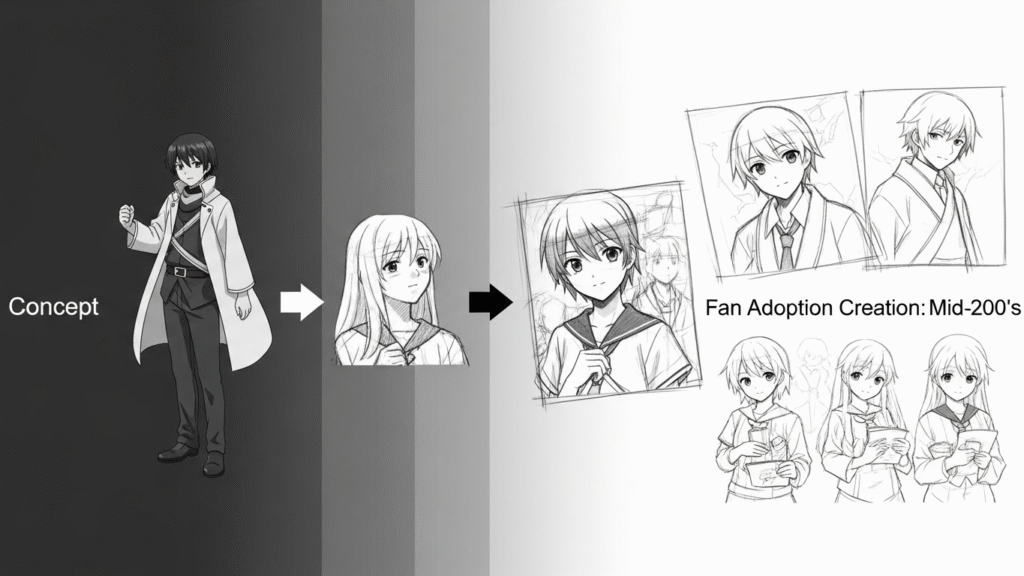
In simple terms, Dojen Moe is the intersection of fan creativity and the emotional charm of anime characters.
Fans express this through
• fan made manga
• character illustrations
• short stories
• parody comics
• digital artwork
• indie animation
• online web comics
Dojen Moe focuses less on professional studios and more on community creativity.
This makes the concept special because anyone can participate.
The origins of Dojen Moe in Japanese culture
The roots of Dojen Moe go back many decades within Japanese anime and manga culture.
During the 1970s and 1980s, fan communities in Japan began creating independent manga and art inspired by their favorite series. These fan made works were known as doujinshi.
Artists would sell doujinshi at events where fans gathered to celebrate anime and manga. The most famous event is Comic Market, often called Comiket, held in Tokyo.
These early fan creations allowed artists to explore ideas that official studios might not publish. Many creators experimented with character personalities, alternate storylines, and artistic styles.
Around the same time, the concept of moe started appearing in anime fandom.
Fans began using the word to describe characters that created a warm emotional feeling. These characters were often gentle, cute, shy, or relatable.
As the internet grew in the late 1990s and early 2000s, these two ideas began to merge online.
Independent artists started creating moe style characters through fan made comics and illustrations.
This creative combination gradually became known as Dojen Moe.
It represented a new phase of fandom where emotional character design met independent creativity.
Why Dojen Moe became popular worldwide
Several factors helped Dojen Moe grow beyond Japan and reach a global audience.
Also Read:Simbramento: A Modern Framework for Alignment and Collaboration
The first reason is the worldwide expansion of anime streaming platforms. As anime became easier to watch online, millions of new fans discovered Japanese animation culture.
With more fans came more interest in fan art, character design, and independent manga creation.
The second factor is social media.
Platforms like art communities, illustration forums, and fandom websites made it easy for artists to share their creations instantly.
Artists could upload their work and receive feedback from fans around the world.
This created a supportive environment where Dojen Moe style artwork could spread quickly.
Another important factor is accessibility.
Unlike professional animation, creating fan art or short comics requires fewer resources.
Anyone with basic drawing tools or digital software can start creating characters inspired by the moe aesthetic.
Because of this, Dojen Moe became a welcoming entry point for new artists entering anime culture.
The artistic characteristics of Dojen Moe
Dojen Moe has several visual features that make it recognizable.
The characters often have expressive faces and large eyes that communicate strong emotions. These features help viewers quickly connect with the character.
Many designs include soft colors, gentle expressions, and playful personality traits.
Artists focus on emotional storytelling rather than complex action scenes.
Common artistic elements include
• bright or pastel color palettes
• rounded facial shapes
• expressive eyes
• small gestures that show emotion
• cute or shy character poses
Another defining feature of Dojen Moe is character relatability.
Instead of focusing only on fantasy heroes, artists often create everyday characters with simple personalities.
These characters might represent students, friends, or ordinary people placed in imaginative situations.
This makes the artwork feel warm and approachable.
The emotional power of moe in character design
The concept of moe is essential to understanding Dojen Moe.
Moe describes a feeling rather than a specific design rule.
When fans experience moe, they feel emotional affection for a character. This can include feelings of protectiveness, admiration, or comfort.
Artists achieve this feeling through small design choices.
For example
A shy smile may create emotional warmth.
A clumsy moment may make the character feel relatable.
A gentle personality may inspire empathy from viewers.
These emotional cues create a connection between the audience and the character.
This connection is what makes Dojen Moe so powerful within fan communities.
Fans are not simply observing characters.
They feel emotionally invested in them.
The role of fan communities in Dojen Moe culture
Fan communities play a major role in the growth of Dojen Moe.
Unlike traditional entertainment industries, fan communities thrive on collaboration and shared creativity.
Artists often support each other by sharing feedback, tutorials, and inspiration.
Many online platforms host communities where creators upload illustrations, comics, and short animations.
Fans comment, share, and remix ideas, creating an ongoing cycle of creativity.
Community events also contribute to this culture.
Online art challenges encourage artists to create characters based on specific themes.
Fan conventions provide opportunities for artists to sell independent comics and prints.
These activities strengthen the Dojen Moe community and help new artists develop their skills.
The evolution of Dojen Moe in the digital era
The digital age has transformed how Dojen Moe content is created and shared.
In the past, artists relied on physical printing to distribute doujin works. Today, digital platforms allow creators to publish their work instantly.
Web comics and digital manga platforms have become popular outlets for independent creators.
Artists can upload pages regularly and build a following over time.
Animation tools have also become easier to access.
Some creators now produce short animated clips featuring original moe characters.
These clips often spread quickly across social media.
Digital drawing tablets and art software have further expanded creative possibilities.
Artists can experiment with colors, textures, and visual effects more easily than before.
As technology continues to improve, the future of Dojen Moe will likely include even more creative experimentation.
Also Read: CJMonsoon: The Creative Digital Persona Transforming Online Storytelling
The influence of Dojen Moe on modern anime
While Dojen Moe began as a fan driven style, it has also influenced professional anime studios.
Some character designs in modern anime reflect the emotional appeal associated with moe culture.
Studios recognize that audiences enjoy characters with relatable personalities and expressive emotions.
Independent creators who began in doujin communities have also entered the professional industry.
Several manga artists who started with fan comics later became published creators.
This demonstrates how fan creativity can influence mainstream entertainment.
Dojen Moe acts as a creative laboratory where new ideas and character styles are tested before reaching larger audiences.
How independent artists build careers through Dojen Moe
For many artists, Dojen Moe is more than a hobby.
It can become a pathway to a professional creative career.
Independent creators often begin by sharing their artwork online.
As their skills improve and their audience grows, they may begin selling digital comics, character prints, or merchandise.
Crowdfunding platforms have also opened new opportunities.
Artists can receive financial support directly from fans who enjoy their work.
This allows creators to spend more time developing stories and characters.
Some artists eventually transition into professional roles in animation, game design, or manga publishing.
The skills developed through Dojen Moe art such as character design, storytelling, and visual expression are valuable in many creative industries.
The cultural significance of Dojen Moe
Dojen Moe represents more than a visual style.
It reflects a broader cultural movement centered on creativity, community, and emotional storytelling.
Fans are no longer passive consumers of entertainment.
They actively contribute to the culture by creating new content inspired by the stories they love.
This participatory culture is one of the defining features of modern fandom.
Through Dojen Moe, fans can express their ideas, emotions, and artistic skills.
The movement also highlights the power of community driven creativity.
Independent creators can influence global culture without relying on large studios or corporations.
This shift reflects a new era of entertainment where creativity can emerge from anywhere.
The future of Dojen Moe
The future of Dojen Moe looks promising as global anime fandom continues to grow.
Several trends suggest that the movement will expand further.
Digital platforms are making it easier for artists to reach international audiences.
New creative tools are helping beginners learn digital illustration quickly.
Online communities are becoming more supportive and collaborative.
As more artists experiment with storytelling and character design, the style will continue evolving.
Some creators may combine Dojen Moe with other artistic influences such as western animation, indie comics, or gaming culture.
This blending of styles will likely create new variations of the concept.
What remains constant is the emotional connection that fans feel toward characters.
That emotional storytelling will continue to be the heart of Dojen Moe.
Practical tips for beginners interested in Dojen Moe
Many people become interested in Dojen Moe after discovering anime fan art online.
For beginners who want to explore this style, several steps can help.
Start by studying basic character design.
Look at how artists create facial expressions and body language that convey emotion.
Practice drawing simple characters with clear personalities.
Focus on storytelling through small details rather than complex scenes.
Joining online art communities can also help beginners improve.
Feedback from other artists often accelerates learning.
Consistency is also important.
Creating artwork regularly helps artists develop their unique style.
Over time, beginners can build confidence and experiment with more advanced techniques.
Common misconceptions about Dojen Moe
Because the term is still relatively new outside anime communities, some misconceptions exist.
One misunderstanding is that Dojen Moe only refers to cute characters.
While cuteness is often part of the style, the concept also involves emotional storytelling and fan creativity.
Another misconception is that Dojen Moe is only popular in Japan.
In reality, artists from many countries participate in this culture.
Online platforms allow creators from the United States, Europe, and other regions to contribute their own interpretations.
Some people also assume that fan created works lack originality.
However, many Dojen Moe creators design entirely new characters and stories.
The fan community encourages experimentation and innovation.
Ethical considerations in fan created works
Because Dojen Moe often involves fan creativity, ethical considerations are important.
Artists should respect the intellectual property of original creators.
Many fan communities follow guidelines that allow respectful fan creations while avoiding direct copying of copyrighted material.
Some artists focus on original characters to avoid these concerns.
Others create parody or tribute works that celebrate existing series while adding their own creative twist.
Respect for fellow artists is also essential.
Giving credit for inspiration and avoiding plagiarism helps maintain a healthy creative community.
Why Dojen Moe resonates with audiences
The lasting appeal of Dojen Moe comes from its emotional authenticity.
Unlike highly produced entertainment created by large studios, fan art often feels personal.
Viewers can sense the passion behind each drawing or story.
Also Read: Milyom: A Complete Guide to Culture, Traditions, and Modern Life
This emotional sincerity creates a stronger connection between artists and audiences.
Characters designed with genuine affection often resonate more deeply with fans.
Additionally, the participatory nature of Dojen Moe allows fans to become creators themselves.
This transforms the relationship between audience and media.
Instead of simply watching stories, fans help shape them.
Conclusion
Dojen Moe is a fascinating cultural phenomenon that blends independent creativity with the emotional storytelling of anime culture.
Its roots in Japanese doujin communities have evolved into a global movement where artists and fans collaborate to create new characters, stories, and artistic expressions.
As anime continues to grow worldwide, interest in Dojen Moe will likely increase.
The style represents the spirit of modern fandom where creativity is shared, communities support artists, and emotional storytelling connects people across cultures.
Whether someone is an anime enthusiast, an aspiring artist, or simply curious about modern fan culture, understanding Dojen Moe offers insight into how creative communities shape the future of entertainment.
The movement proves that creativity does not always begin in large studios.
Sometimes it starts with a single artist, a simple idea, and a community willing to share their passion.
FAQs about Dojen Moe
What does Dojen Moe mean?
Dojen Moe refers to a creative style and cultural movement that combines independent fan creations with the emotional charm of anime characters known as moe.
Is Dojen Moe the same as doujinshi?
Not exactly. Doujinshi refers to self published fan works such as comics or novels. Dojen Moe is a style or cultural expression that often appears within those works.
Why do anime fans like moe characters?
Moe characters create strong emotional connections. Fans often feel affection, empathy, or protectiveness toward these characters.
Can beginners create Dojen Moe artwork?
Yes. Many artists start as beginners. With practice and creativity, anyone interested in anime style art can explore this form of expression.
Is Dojen Moe popular in the United States?
Interest in Dojen Moe is growing in the United States as anime fandom continues to expand and more artists participate in online communities.
Do professional anime creators come from doujin communities?
Yes. Many professional manga artists and animators started by creating independent fan works before entering the professional industry.
What tools do artists use to create Dojen Moe art?
Artists often use digital drawing tablets, illustration software, or traditional drawing materials such as pencils and markers.
Where can people find Dojen Moe artwork online?
Many art communities, manga platforms, and social media sites host independent artwork created by fans and aspiring artists.