




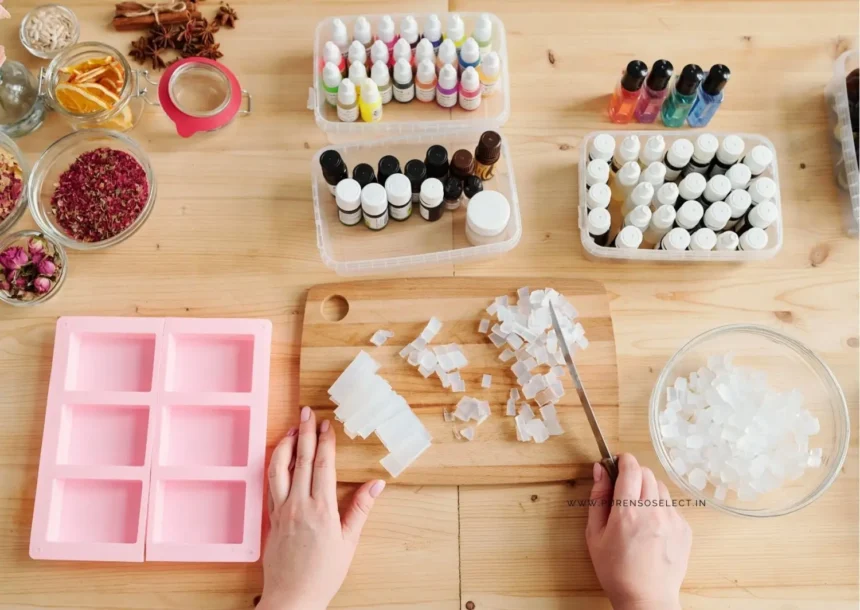
Soap making allows both beginners and professionals to create custom soaps and personal care products. Using the right soap making supplies supports diverse types because materials like bases, molds, and fragrances affect formulation, texture, and appearance. Here are a few soap making supplies for beginners:
Soap Bases
Soap making supplies, including soap bases, are oil blends derived from plants that provide a safe starting point for beginners. These bases are commonly used in the melt-and-pour method, which allows novice soap makers to create soap without directly handling lye, reducing potential safety risks. Using these bases, beginners can craft seasonal or themed soaps for holidays. They are also able to incorporate additives that create fun visual effects, such as shimmering powders. Some soap bases also include exfoliating elements, which provide a gentle, abrasive action for the skin. These products are practical for those experimenting with different premade soap varieties.
Soap Additives
Additives in soap include botanicals such as dried plants and petals, which beginners may use to introduce natural color and subtle scent to their creations. Crafters incorporate plant-based ingredients, including extracts or dried herbs; other additives include rose petals, lavender, mint, chamomile, and calendula, which contribute natural pigments and aromatic qualities. Other common additives, such as clays and oatmeal, are able to influence properties like soap hardness and overall consistency. Crafters may use colorants and exfoliants to enhance visual appeal and create varied tactile experiences during use. Powders and color blocks each provide differing aesthetic results; choose between matte or shimmer options.
Seeds represent another category of additives that are integrated into soap making for both decorative and textural purposes. They are pressed against the soap’s surface or mixed into the loaf for visual interest. Smaller seeds provide noticeable texture in both hot-process and cold-process soaps. Commonly used seeds include poppy, chia, and grapefruit seeds. Certain seeds are also valued for their contrast in color and texture, which can help add unique patterns or accents within the soap.
Soap Packaging
After making the soap, the next step is to choose packaging with a professional look to make it resemble store-quality products. Choose packaging and labels that match the shapes and sizes of your soap molds. These materials include wraps, sleeves, bands, and adhesive labels, which are designed to fit individual bars. Labels not only display ingredients and product details but also provide space for other key information. Proper packaging protects soap bars from moisture and helps preserve their scent during storage and transport. Clear and consistent labeling supports organization and traceability; it also verifies compliance by presenting batch numbers, usage instructions, and safety information in a standardized format.
Find Soap Making Supplies Today
Soap making combines simple techniques with creative choices to produce custom bars from various ingredients. Beginners can find key ingredients, such as melt-and-pour soap bases and fragrance oils, along with packaging supplies, from a single wholesale supplier. This makes it easy to gather everything needed to craft soaps for personal use or gifting. Find the right supplies and begin your soap-making journey today.