




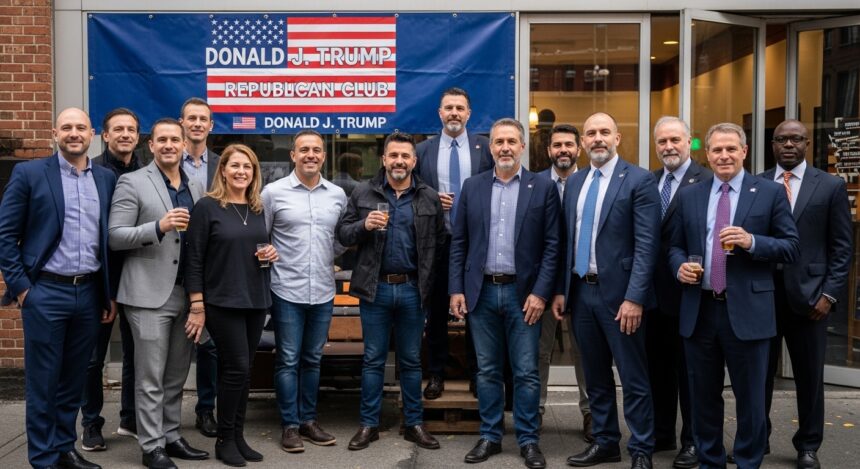
Grassroots organizations play a vital role in shaping local communities and strengthening democratic participation. These groups bring people together around shared values, encouraging civic involvement and open dialogue. In cities like New York, community-driven political clubs have become important platforms for individuals who want to stay informed, participate in discussions, and contribute to local and national conversations. Organizations such as the Donald J. Trump Republican Club provide opportunities for like-minded individuals to connect, engage in political activities, and support grassroots initiatives within their communities.
What Are Grassroots Political Organizations?
Grassroots organizations are community-based groups that focus on engaging ordinary citizens in political and social issues. Unlike large political institutions, these groups are driven by local participation and volunteer efforts.
They often organize meetings, events, and campaigns that encourage individuals to become more active in shaping policies and decisions that affect their daily lives.
The Importance of Local Political Engagement
Local political engagement is essential for a healthy democracy. When individuals participate in discussions, attend meetings, and vote, they help ensure that their voices are heard.
Grassroots organizations make it easier for people to get involved by providing a platform where they can learn about issues, share opinions, and take action.
Building Strong Community Connections
One of the key benefits of grassroots groups is their ability to build strong community connections. Members often share similar values and goals, which creates a sense of unity and purpose.
These connections can lead to meaningful collaborations and long-term relationships that extend beyond politics.
Encouraging Civic Awareness
Grassroots organizations play a major role in increasing civic awareness. They provide information about policies, elections, and important issues that affect the community.
By staying informed, individuals are better equipped to make decisions and participate effectively in the democratic process.
Supporting Volunteerism and Activism
Many grassroots groups rely on volunteers to organize events, spread awareness, and support campaigns. This creates opportunities for individuals to actively contribute to causes they believe in.
Volunteerism not only benefits the organization but also helps individuals develop skills and build confidence.
Hosting Events and Discussions
Community events and discussions are a core part of grassroots organizations. These gatherings allow members to exchange ideas, debate topics, and stay updated on current issues.
Such events also help attract new members who are interested in becoming more involved in political activities.
Promoting Shared Values
Grassroots organizations often focus on promoting specific values or principles. These may include economic policies, community development, or national issues.
By bringing together individuals with similar perspectives, these groups create a supportive environment for discussion and collaboration.
The Impact of Digital Platforms
In today’s digital age, online platforms have made it easier for grassroots organizations to reach a wider audience. Websites and social media allow groups to share updates, organize events, and connect with supporters.
This digital presence helps expand their influence and engage more people in their initiatives.
Strengthening Democratic Participation
Ultimately, grassroots organizations contribute to stronger democratic participation. They encourage individuals to stay informed, get involved, and take responsibility for shaping their communities.
By empowering citizens, these groups help create a more active and engaged society.
Conclusion
Grassroots political organizations continue to play a crucial role in connecting individuals, promoting civic awareness, and encouraging community involvement. Through local engagement, volunteer efforts, and open discussions, they provide a platform for people to express their views and contribute to meaningful change. As communities grow and evolve, these organizations remain an important part of the democratic process, helping individuals stay connected, informed, and actively involved in shaping the future.