




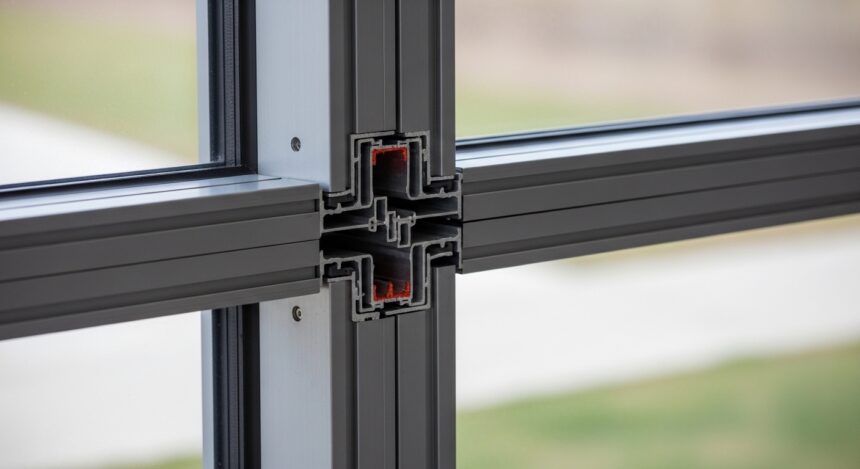
Modern architecture relies heavily on advanced façade solutions that combine aesthetics, performance, and durability. Curtain wall systems have become a defining feature of contemporary commercial and residential buildings due to their ability to create sleek exteriors while improving energy efficiency. Professionals exploring types of curtain wall systems often look for solutions that balance structural integrity with design flexibility, making curtain walls a preferred choice in today’s construction projects.
What Is a Curtain Wall System?
A curtain wall system is a non-load-bearing exterior façade that protects a building from environmental elements while allowing natural light to enter. Unlike traditional walls, curtain walls do not support the building’s weight but instead hang like a curtain from the structure. They are commonly made from aluminum frames with glass, metal panels, or stone infill.
Why Curtain Walls Are Popular in Modern Construction
Curtain walls are widely used because they enhance a building’s appearance while offering practical benefits. They help reduce air and water infiltration, improve thermal insulation, and allow architects to design visually striking façades. Their lightweight nature also reduces structural load, making them ideal for high-rise buildings.
Stick Curtain Wall Systems Explained
Stick curtain wall systems are assembled piece by piece on-site. Vertical mullions are installed first, followed by horizontal components and glazing panels. This system is cost-effective for smaller projects and allows flexibility during installation. It is often used when site access is limited or customization is required.
Unitized Curtain Wall Systems and Their Advantages
Unitized curtain wall systems are pre-fabricated panels manufactured in a factory and installed directly onto the building structure. This approach improves quality control and speeds up installation. Unitized systems are commonly used in large-scale commercial projects where time efficiency and consistency are critical.
Semi-Unitized Curtain Wall Systems
Semi-unitized systems combine features of both stick and unitized systems. Some components are pre-assembled in the factory, while others are installed on-site. This hybrid approach offers a balance between cost savings and installation efficiency, making it suitable for mid-sized construction projects.
Energy Efficiency and Sustainability Benefits
Curtain wall systems contribute significantly to energy efficiency. High-performance glazing, thermal breaks, and insulated frames help regulate indoor temperatures and reduce energy consumption. These features support sustainable building practices and help projects meet green building standards.
Design Flexibility and Aesthetic Appeal
Architects favor curtain wall systems because they allow creative freedom. From transparent glass façades to bold geometric designs, curtain walls can be customized to suit different architectural styles. Glass railings and partitions often complement curtain walls to create cohesive interior and exterior designs.
Curtain Walls in Residential Applications
While traditionally associated with commercial buildings, curtain walls are increasingly used in residential projects. Luxury apartments and modern homes benefit from enhanced natural lighting, panoramic views, and contemporary aesthetics offered by curtain wall systems.
Installation Considerations and Project Planning
Proper planning is essential for curtain wall installation. Factors such as building height, climate conditions, structural tolerances, and maintenance access must be considered. Working with experienced architectural glass system providers ensures long-term performance and safety.
The Future of Curtain Wall Technology
Advancements in materials and engineering continue to shape the future of curtain wall systems. Innovations such as smart glass, improved insulation technologies, and sustainable materials are making curtain walls more efficient and adaptable to evolving architectural demands.