




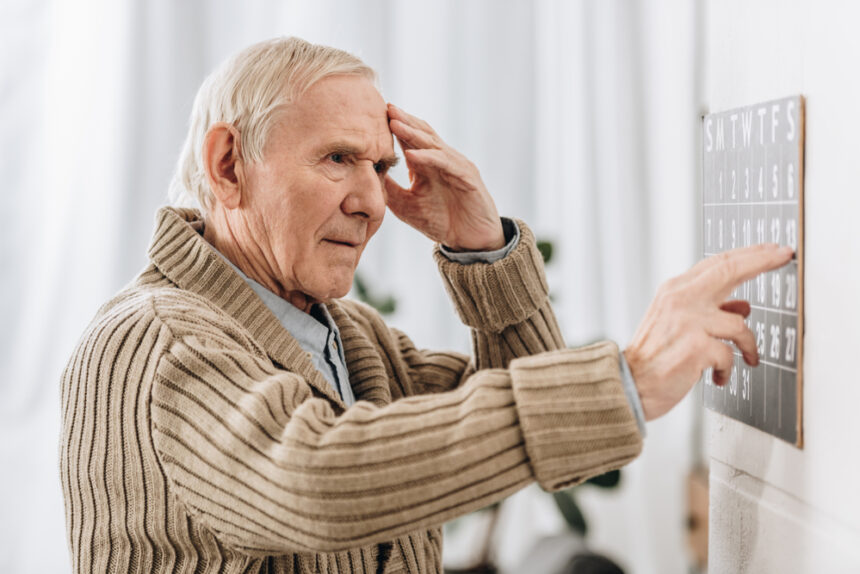
Early-onset dementia brings certain challenges. Learn the facts and understand the symptoms to help manage your health. When you know relevant information, you are better prepared to report changes to your healthcare team. If you notice any shifts, you must report them so medical professionals can assess you.
Signs of Dementia
Signs of dementia include frequent forgetfulness, so write down any strange occurances. You might forget recent events, or you will misplace familiar objects. As memory declines, you lose track of time and need extra reminders for daily tasks. These changes might appear gradually and be hard to notice at first. Sometimes, you have difficulty with organization or keeping appointments. Managing household responsibilities becomes more challenging. Simple things like remembering names or faces become more difficult over time. Short-term memory often seems less reliable. As these symptoms progress, you need more lists, notes, or alarms for tasks. Changes in memory and recall interrupt conversations, and repeating questions becomes more common.
Some people hide mistakes or withdraw from social events as these signs appear. Regular support and open communication with family or caregivers help manage these memory challenges. Problems learning new things can occur. Information processes slowly, and new routines require extra repetition. When you face unfamiliar situations, structured guidance provides the support you need. Language difficulties present another common sign. You may struggle with speech or misunderstand spoken instructions.
Types of Dementia
A brain disease is the primary cause of dementia. These conditions often lead to changes in memory, movement, attention, or other abilities. Symptoms vary among individuals. Each type presents with different patterns, and a person’s symptoms change over time. Research continues to explore these conditions, and your experience often differs from someone else’s, even with a similar diagnosis. Share your observations and concerns with your care team, so guidance is tailored to your needs. Secondary dementia results from different medical conditions. While your body undergoes physical changes, your brain experiences dysfunction. Alcohol-related issues cause similar cognitive declines.
Risks of Dementia
Age is a major risk factor for dementia. Most diagnoses occur after age 65, but early-onset cases can develop earlier. Early-onset dementia sometimes appears while you are working or raising a family. This introduces different everyday challenges than those diagnosed later in life. Sometimes, changes at work or a lack of interest in hobbies are early clues, and memory lapses are mistaken for stress or fatigue. These changes affect financial planning and future care needs, so planning ahead is useful if you have certain risk factors. If you notice warning signs, check in with a doctor. Recognizing risks and acting quickly helps you access resources and care when needed. Family history plays a significant role. A biological parent sometimes has dementia, so your personal risk level increases. If a sibling receives a diagnosis, you share genetic markers. Doctors will monitor your cognitive health. Down syndrome increases dementia risk significantly.
Book an Appointment Today
Severe head injuries raise dementia risks. Loss of consciousness causes damage, and multiple concussions compound the long-term neurological dangers. If you experience brain trauma, you must seek medical evaluations. Doctors will chart your recovery. Early detection provides better management options. Consult healthcare providers and specialists to design a targeted care plan.