





Abnormal Uterine Bleeding (AUB) is a term frequently used in women’s health, yet many people don’t truly understand what it is, why it happens, how it is diagnosed, and how it can be treated. In this long‑form, easy‑to‑read, and deeply informative article, we explain what is AUB in women health, its causes, symptoms, diagnosis, treatments, and how it affects quality of life. This guide goes beyond basic definitions to offer real understanding, practical insights, and up‑to‑date information for women in the United States.
This article is written clearly for readers with basic English skills, while still delivering professional quality and deep knowledge. You will learn not just the facts, but also how AUB impacts daily life, what options exist for care, and when to seek help. Let’s begin by understanding what AUB actually means.
What Is AUB in Women Health
Abnormal Uterine Bleeding (AUB) refers to bleeding from the uterus that is different from a woman’s normal menstrual pattern. AUB is considered abnormal when the bleeding is:
- Heavier than usual
- More frequent than usual
- Longer in duration
- Unexpected (occurring between periods or after menopause)
Normal menstrual cycles usually occur every 21 to 35 days and last about 2 to 7 days of bleeding. When bleeding falls outside these patterns, it may be classified as AUB.
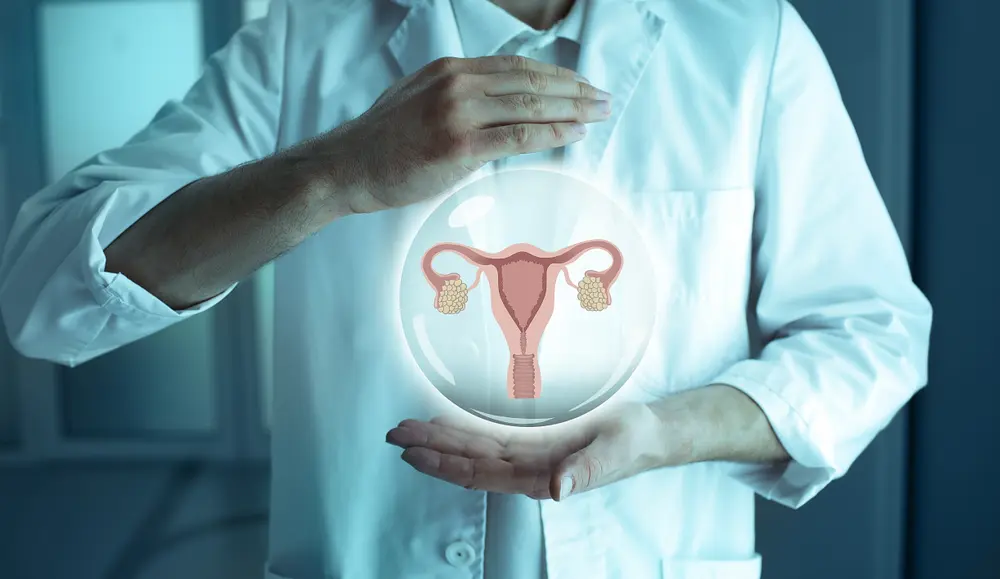
It is important to note that AUB is a symptom rather than a disease. It signals that something could be affecting the reproductive system — from hormonal changes to structural problems within the uterus.
Why Understanding AUB Matters
Understanding what is AUB in women health matters because uterine bleeding that is irregular or heavy can lead to significant physical, emotional, and social effects. Heavy bleeding can cause:
- Iron deficiency or anemia
- Fatigue or weakness
- Interference with daily activities
- Emotional stress
- Absenteeism from work or school
- Impact on relationships and intimacy
Because AUB can be caused by a wide range of factors — some benign, some serious — it is essential for women and healthcare providers to recognize patterns and address them appropriately.
How Common Is AUB?
Abnormal uterine bleeding is very common. An estimated 10% to 30% of women experience it at some point in their reproductive years. AUB becomes more frequent as women approach menopause, but it can affect younger women as well.
Despite how common it is, many women do not seek care because they assume irregular or heavy bleeding is normal. Educating ourselves about what is AUB in women health helps break this misunderstanding and supports women in seeking appropriate care.
The Physiology of Menstruation
To understand AUB, it helps to first understand normal menstruation.
The menstrual cycle is controlled by hormones produced by the brain (such as follicle‑stimulating hormone and luteinizing hormone) and the ovaries (such as estrogen and progesterone). These hormones orchestrate the growth and shedding of the uterine lining (endometrium).
In a typical cycle:
- The lining thickens in preparation for potential pregnancy.
- If pregnancy does not occur, hormone levels drop.
- The lining is shed as menstrual blood.
This process repeats every month, normally without significant deviation. When the hormonal balance shifts, or when the uterine structure changes, bleeding can become abnormal.
Also Read: CJMonsoon: The Creative Digital Persona Transforming Online Storytelling
Types of Abnormal Uterine Bleeding
Medical professionals classify AUB into different types based on cause. A widely used system is called PALM‑COEIN, which stands for:
PALM Causes (Structural Problems)
These involve physical changes in the uterus that can be seen on imaging tests.
- Polyp (P): Small growths on the lining of the uterus.
- Adenomyosis (A): When endometrial tissue grows into the uterine muscle.
- Leiomyoma (Fibroids) (L): Noncancerous muscle tumors of the uterus.
- Malignancy and Hyperplasia (M): Cancer or precancerous thickening of the uterine lining.
COEIN Causes (Non‑Structural Problems)
These include bleeding disorders and hormone imbalances.
- Coagulopathy (C): Disorders of blood clotting.
- Ovulatory Dysfunction (O): When ovulation is irregular or absent.
- Endometrial (E): Problems with the lining itself.
- Iatrogenic (I): Caused by medical treatments or medications.
- Not Otherwise Classified (N): Rare or poorly understood causes.
This classification helps clinicians identify the cause and choose the best treatment.
Common Causes of AUB
Now that you know how AUB is categorized, let’s explore the most common causes more deeply.
Hormonal Imbalances
Hormones drive the menstrual cycle. When estrogen and progesterone are out of balance, the uterus may not shed the lining in a controlled way. This can lead to:
- Heavy flow
- Irregular timing
- Spotting between periods
Hormonal imbalance can occur during:
- Puberty
- Perimenopause
- Stress
- Rapid weight gain or loss
- Thyroid disorders
Uterine Fibroids
Fibroids are non‑cancerous tumors that develop in the uterine muscle. Depending on their size and location, they may lead to:
- Heavy periods
- Painful cramps
- Bleeding between periods
- Pressure or bloating
Fibroids are especially common in women aged 30 to 50, and their prevalence increases with age.
Polyps
Polyps are soft tissue growths in the uterus. They may cause:
- Prolonged bleeding
- Spotting between periods, especially after sex
- Heavy menstrual flow
Polyps are most frequent in women in their 40s and 50s.
Adenomyosis
In adenomyosis, the lining of the uterus grows into the muscular wall. This can cause:
- Heavy, prolonged bleeding
- Painful periods
- Cramping
Adenomyosis is more likely in women who have had children, and symptoms often improve after menopause.
Endometrial Hyperplasia
This condition involves thickening of the uterine lining and is often caused by excess estrogen without enough progesterone. It can lead to heavy bleeding and, if left untreated, may increase the risk of uterine cancer.
Bleeding Disorders
Women with blood clotting disorders — such as von Willebrand disease — may experience heavier bleeding than usual. These conditions may be harder to diagnose because menstrual bleeding is often the first sign.
Medications and Devices
Certain medications and devices can change bleeding patterns. These include:
- Hormonal birth control (pills, patches, intrauterine systems)
- Blood thinners
- Steroids
- Intrauterine devices (IUDs)
Some contraceptives may lighten periods, while others may cause spotting.
Pregnancy‑Related Causes
AUB can sometimes occur early in pregnancy due to:
- Miscarriage
- Ectopic pregnancy (a pregnancy outside the uterus)
- Placental problems
This type of bleeding should always be evaluated promptly.
Symptoms Women May Experience
The symptoms of AUB can vary widely. They may include:
- Menstrual bleeding that soaks through one or more pads/tampons every hour
- Bleeding that lasts longer than 7 days
- Spotting or bleeding between periods
- Bleeding after intercourse
- Very heavy bleeding during your period
- Bleeding after menopause
- Cramping and pelvic pain
Some women may also experience symptoms of anemia, including:
- Extreme fatigue
- Shortness of breath
- Pale skin
- Weakness
If these symptoms are present alongside abnormal bleeding, it increases the urgency of seeking medical care.
How Is AUB Diagnosed?
Diagnosing AUB begins with a detailed medical history and physical examination. Your healthcare provider may ask about:
- Your menstrual cycle patterns
- Duration and quantity of bleeding
- Medications you are taking
- Other health conditions
Blood tests may be used to check for:
- Anemia
- Hormone levels
- Thyroid function
- Blood clotting disorders
Imaging tests help visualize the uterus and may include:
- Ultrasound
- Sonohysterography (special fluid‑filled ultrasound)
- MRI
In some cases, a small sample of the uterine lining is taken (biopsy) to check for abnormal cells.
Women over age 35, or those with risk factors for uterine cancer, may have more detailed evaluation.
Also Read: Dojen Moe: The Anime Fan Art Culture, Meaning, Origins, and Global Rise
Treatment Options for AUB
Treatment for AUB depends on the cause, the intensity of symptoms, and whether the woman wants to become pregnant.
Lifestyle and Supportive Measures
In milder cases or when bleeding is due to hormonal imbalance, changes may help:
- Healthy weight management
- Stress reduction
- Regular exercise
- Iron supplementation for anemia
Medications
Many medications can help regulate menstrual bleeding:
- Hormonal contraceptives (pills, patches, rings)
- Progesterone therapy
- Tranexamic acid (reduces bleeding)
- NSAIDs (pain relief and reduced bleeding)
- Hormone‑releasing IUDs
These options can reduce bleeding, regulate cycles, and address symptoms.
Surgical Treatments
When medications are not effective, surgical options include:
- Dilation and curettage (D&C): Removes uterine lining
- Hysteroscopy: Allows direct visualization and removal of polyps or fibroids
- Endometrial ablation: Destroys the lining of the uterus to reduce bleeding
- Myomectomy: Removes fibroids while preserving the uterus
- Hysterectomy: Removal of the uterus; a definitive solution for some women
The choice of surgery depends on the diagnosis, severity, age, and desire for future pregnancy.
How AUB Affects Quality of Life
AUB is more than an inconvenience. Many women report that abnormal menstrual bleeding affects:
- Work performance
- Social activities
- Sleep quality
- Mental health
- Confidence and body image
Heavy bleeding often leads to anxiety about being away from home or toilet access. When AUB causes fatigue from anemia, simple tasks become more exhausting.
By addressing both physical and emotional effects, women can experience meaningful improvement in day‑to‑day life.
Myths and Misconceptions About AUB
There are common misunderstandings about menstrual bleeding that can delay diagnosis and care:
Myth: Heavy periods are normal
Heavy bleeding that interferes with life is not something women should simply tolerate. AUB is treatable.
Myth: Bleeding is only a problem if it hurts
Many women with AUB have heavy bleeding without severe pain. Bleeding patterns matter even without discomfort.
Myth: Birth control always fixes irregular bleeding
While hormonal birth control can help regulate cycles, it may not be effective for all types of AUB, and some forms may worsen bleeding or cause spotting.
When to Seek Medical Care
If you experience any of the following, contact a healthcare provider:
- Bleeding that soaks through one pad/tampon every hour
- Bleeding lasting longer than 7 days
- Bleeding between periods
- Bleeding after menopause
- Symptoms of anemia (fatigue, breathlessness, pale skin)
- Dizziness or fainting
Prompt evaluation helps rule out serious conditions and improves outcomes.
AUB Across the Lifespan
In Adolescents
Young women often have irregular cycles in the first few years after menstruation starts. But bleeding that is extremely heavy, irregular, or accompanied by anemia should be evaluated.
In Reproductive Years
During childbearing years, structural causes like fibroids or polyps become more common. AUB may also affect fertility or pregnancy.
Perimenopause and Menopause
As women approach menopause, cycles often become irregular. However, bleeding that is very heavy or occurs after menopause requires investigation to rule out more serious causes.
Prevention and Long‑Term Management
While not all cases of AUB are preventable, some steps can help reduce risk or manage symptoms:
- Regular check‑ups with a healthcare provider
- Monitoring menstrual patterns
- Managing stress and maintaining healthy weight
- Seeking care early for unusual bleeding
- Treating underlying conditions like thyroid disease
Women with chronic AUB benefit from long‑term care plans that address symptoms and overall reproductive health.
Integrating Care and Support
AUB affects more than physical health — emotional, social, and psychological support matters. Many women find benefit in:
- Support groups
- Counseling
- Pelvic floor therapy
- Nutrition counseling
Coordinated care improves overall outcomes.
Latest Research and Innovations
Researchers continue to explore new ways to understand and treat AUB:
- Personalized hormone therapies
- Less invasive surgical procedures
- Novel medications targeting specific pathways
- Improved diagnostic imaging
This progress offers hope for better, more targeted treatments in the future.
Key Takeaways About AUB
Understanding what is AUB in women health is essential for women’s well‑being. AUB is a symptom, not a diagnosis itself, and can result from many causes — hormonal, structural, or systemic. Recognizing symptoms, seeking timely care, and exploring appropriate treatments can significantly improve quality of life.
Also Read: Nerwey: History, Meaning, Modern Relevance, and Future Impact
Timely education and empowerment help women make informed choices about their bodies and health.
Frequently Asked Questions
What is considered heavy menstrual bleeding?
Heavy menstrual bleeding includes soaking through one or more pads or tampons every hour for several hours, needing to change products during the night, or bleeding lasting more than 7 days.
Can AUB affect fertility?
Yes. Some causes of AUB, such as fibroids or hormonal imbalances, can affect fertility, though many women with AUB can still conceive with appropriate treatment.
Is AUB a sign of cancer?
In some cases, yes — especially in women over 35 or after menopause. However, most AUB is due to non‑cancerous causes. Evaluation helps rule out cancer.
Can stress cause AUB?
Stress can affect hormones and ovulation, potentially contributing to irregular bleeding. However, stress is often one of many factors.
Is anemia common with AUB?
Yes. Heavy bleeding can lead to iron deficiency and anemia, causing fatigue, shortness of breath, and weakness.
Can AUB resolve on its own?
In some cases, especially related to temporary hormonal imbalance, AUB may improve over time. Persistent or severe symptoms should be evaluated.
Are there natural remedies for AUB?
Some women find symptom relief through diet, exercise, and supplements, but natural remedies should complement — not replace — medical evaluation and treatment.
What questions should I ask my doctor?
Ask about:
- Possible causes of bleeding
- Tests needed
- Treatment options and side effects
- Impact on fertility
- Long‑term management plan
Is AUB covered by insurance?
In the United States, many tests and treatments for AUB are covered by health insurance. Women should check with their provider for details.
Can AUB occur after menopause?
Yes. Any bleeding after menopause is not normal and requires evaluation to exclude serious causes.
Conclusion
Understanding what is AUB in women health is essential for every woman, as abnormal uterine bleeding can affect physical health, emotional well‑being, and quality of life. AUB is not a disease itself but a symptom that may result from hormonal imbalances, structural changes in the uterus, or other medical conditions. Recognizing unusual bleeding patterns early, seeking timely medical evaluation, and exploring appropriate treatment options — whether lifestyle changes, medication, or procedures — can prevent complications such as anemia and improve daily life.
Awareness, education, and proactive care empower women to take control of their reproductive health. By understanding the causes, symptoms, and treatments of AUB, women can make informed choices, maintain their well‑being, and ensure that heavy or irregular bleeding does not disrupt their life. Early intervention, supportive care, and ongoing monitoring are key to managing AUB effectively and living a healthier, more confident life.