




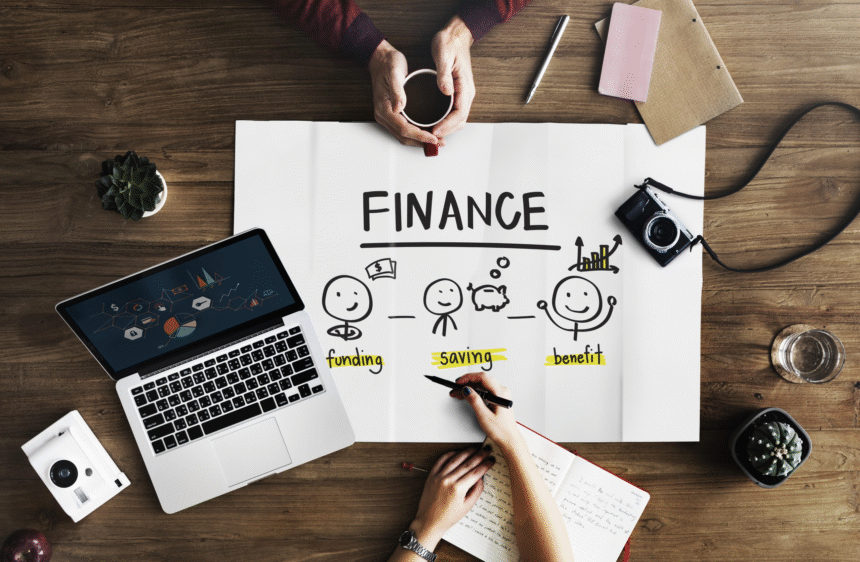
Managing personal finances effectively is essential for achieving financial stability and long-term security. Many people struggle with money management due to lack of planning and awareness. By developing good financial habits, individuals can control expenses, reduce debt, and build a secure financial future.
Understanding Your Income and Expenses
The first step in managing personal finances is understanding income and expenses. Tracking how much money comes in and where it goes helps identify spending patterns. Creating a clear picture of finances allows individuals to make informed decisions and avoid unnecessary expenses.
Creating a Monthly Budget
A monthly budget is a powerful tool for managing money. It helps allocate income to essential needs such as housing, food, and utilities, while also setting aside money for savings and entertainment. Following a budget reduces overspending and ensures financial discipline.
Building an Emergency Fund
An emergency fund provides financial security during unexpected situations such as medical expenses or job loss. Saving a portion of income regularly helps build this fund over time. Having emergency savings prevents reliance on loans or credit cards.
Managing Debt Wisely
Debt management is a crucial part of personal finance. Paying high-interest debts first reduces financial burden. Avoiding unnecessary loans and using credit responsibly helps maintain financial health and reduces stress.
Saving for Future Goals
Setting financial goals helps create motivation for saving. Whether it is buying a home, funding education, or planning retirement, having clear goals guides financial decisions. Regular savings, even in small amounts, contribute to long-term success.
Controlling Unnecessary Spending
Identifying and reducing unnecessary expenses improves financial stability. Limiting impulse purchases and focusing on needs rather than wants helps maintain balance. Mindful spending allows individuals to enjoy life without financial strain.
Using Financial Tools and Apps
Financial tools and mobile apps make money management easier. These tools help track expenses, manage budgets, and monitor savings. Technology simplifies financial planning and improves awareness of spending habits.
Planning for Retirement
Retirement planning is an important aspect of personal finance. Starting early allows savings to grow over time. Contributing regularly to retirement accounts ensures financial independence in later years.
Reviewing Finances Regularly
Regular financial reviews help track progress and make adjustments when needed. Life changes such as new jobs or family responsibilities require financial updates. Reviewing finances ensures goals remain achievable.
Developing Financial Discipline
Consistency and discipline are key to managing personal finances. Developing healthy money habits leads to long-term financial success. Staying committed to financial plans builds confidence and stability.
Conclusion
The best way to manage personal finances is through planning, discipline, and regular monitoring. Understanding income, budgeting wisely, saving for emergencies, and managing debt help create financial security. With consistent effort and smart decisions, anyone can achieve financial stability and peace of mind.