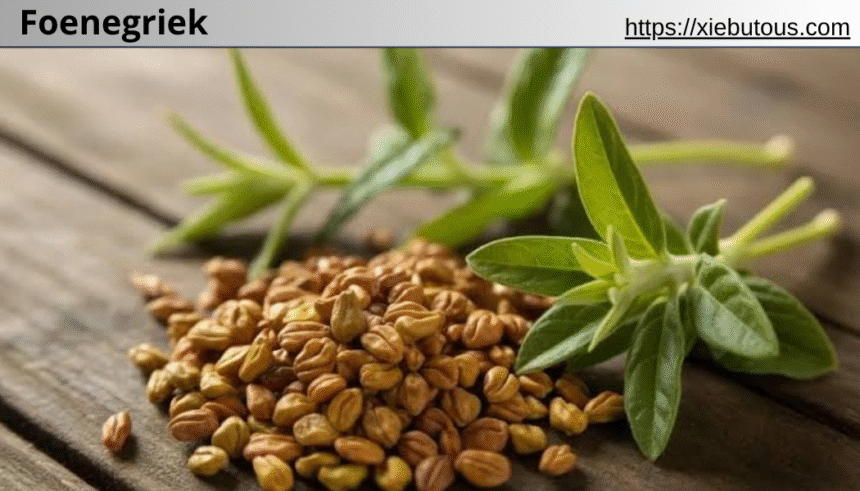
Foenegriek, commonly known in English as fenugreek, is a well-known herb that has been used for centuries in traditional medicine systems such as Ayurveda, Unani, and Middle Eastern herbal practices. Today, foenegriek is gaining renewed attention in modern health and nutrition discussions due to its potential benefits for digestion, metabolism, blood sugar control, and hormonal balance.
Although the herb has ancient roots, modern scientific research is beginning to explore its active compounds and how they interact with the human body. This combination of traditional knowledge and modern analysis makes foenegriek an interesting subject for both researchers and health-conscious individuals.
In recent years, foenegriek has also become popular in dietary supplements, functional foods, and natural wellness products. People are increasingly looking for plant-based alternatives to support their health, and fenugreek is often included in this category.
This comprehensive guide explores foenegriek in depth, including its history, nutritional profile, health benefits, uses, safety considerations, scientific insights, and practical applications in daily life.
What Is Foenegriek?
Foenegriek (fenugreek) is a herb derived from the plant Trigonella foenum-graecum. It belongs to the Fabaceae family, which is the same plant family as peas and beans.
The plant produces small, golden-brown seeds that are commonly used for medicinal and culinary purposes. These seeds have a slightly bitter taste and a strong aroma, which becomes more noticeable when they are roasted or ground.
Foenegriek is used in several forms:
- Whole seeds
- Powdered seeds
- Capsules and supplements
- Herbal tea
- Extracts
Each form has slightly different uses depending on the intended purpose, such as cooking, digestion support, or supplementation.

Historical Use of Foenegriek
Foenegriek has been used for thousands of years across different cultures.
Ancient Egypt
Historical records show that foenegriek was used in Egypt for medicinal purposes and even in embalming processes due to its preservative properties.
Also read:Rosboxar: The Complete Guide to the Modern Blogging Platform Transforming Digital Publishing
Traditional Indian Medicine (Ayurveda)
In Ayurveda, foenegriek is known as a warming herb that supports digestion, improves appetite, and helps balance internal energy systems.
Greek and Roman Medicine
Ancient Greek physicians used foenegriek for livestock feed and also as a medicinal herb for respiratory and digestive issues.
Middle Eastern Traditions
In Middle Eastern cultures, foenegriek has been used in soups, teas, and herbal remedies for overall wellness and energy support.
Nutritional Profile of Foenegriek
Foenegriek seeds contain a rich combination of nutrients and plant compounds.
Key Nutrients
- Dietary fiber
- Protein
- Iron
- Magnesium
- Manganese
- Vitamin B6
- Plant-based compounds (saponins and alkaloids)
Bioactive Compounds
The health effects of foenegriek are largely attributed to:
- Diosgenin (plant-based compound linked to hormone activity)
- Galactomannan (a soluble fiber that supports digestion)
- Saponins (natural plant chemicals with metabolic effects)
- Flavonoids (antioxidant compounds)
These components work together to influence digestion, metabolism, and overall wellness.
How Foenegriek Works in the Body
Foenegriek interacts with the body in multiple ways depending on how it is consumed.
Digestive System Support
The high fiber content helps regulate bowel movements and supports gut health by feeding beneficial bacteria.
Blood Sugar Regulation
Some studies suggest foenegriek may slow carbohydrate absorption, helping maintain more stable blood sugar levels.
Metabolic Effects
The seeds may support metabolism by influencing how the body processes fats and sugars.
Hormonal Interaction
Certain compounds in foenegriek are studied for their potential role in supporting hormonal balance, especially in women.
Health Benefits of Foenegriek
Foenegriek is associated with several potential health benefits, many of which are still being studied.
Supports Digestive Health
Foenegriek is widely used as a digestive aid. Its fiber content helps:
- Reduce constipation
- Improve bowel regularity
- Support gut microbiome balance
- Reduce mild indigestion
May Help Control Blood Sugar
Some research indicates foenegriek may help:
- Improve insulin response
- Reduce post-meal blood sugar spikes
- Support metabolic health in people with type 2 diabetes
However, it should not replace medical treatment.
May Support Lactation in Women
Foenegriek is traditionally used to support breast milk production. Some herbal supplements include it for this purpose, although scientific evidence is mixed.
May Support Hormonal Balance
Foenegriek contains plant compounds that may influence hormonal activity, particularly in women experiencing menstrual discomfort or menopause symptoms.
Supports Appetite and Weight Management
Because of its fiber content, foenegriek may increase feelings of fullness, which can support appetite control in some individuals.
Antioxidant Properties
Foenegriek contains antioxidants that help protect cells from oxidative stress.
Foenegriek in Modern Nutrition and Supplements
Today, foenegriek is commonly found in:
- Herbal supplements
- Protein powders
- Metabolism boosters
- Digestive health formulas
- Sports nutrition products
It is especially popular in natural wellness industries focusing on plant-based ingredients.
Manufacturers often combine foenegriek with other herbs such as turmeric, ginger, or cinnamon to enhance overall effectiveness.
Culinary Uses of Foenegriek
Foenegriek is not only a medicinal herb but also a culinary ingredient.
In Cooking
- Used in Indian curries
- Added to spice blends
- Used in bread recipes
- Included in pickles and sauces
Roasting for Flavor
Roasting foenegriek seeds reduces bitterness and enhances aroma.
Also read:Streemaus: The Complete Guide to the Modern Streaming Platform for Live and On-Demand Content
Herbal Tea
Foenegriek tea is made by soaking or boiling seeds in hot water. It is commonly consumed for digestion and wellness support.
Safety and Side Effects
While foenegriek is generally safe for most people, it should be used responsibly.
Possible Side Effects
- Mild digestive discomfort
- Bloating
- Diarrhea in high doses
- Strong body odor (rare but known effect)
Precautions
- Pregnant women should avoid high doses
- People with diabetes should monitor blood sugar carefully
- May interact with certain medications
Recommended Use
Moderation is important. Herbal supplements should follow recommended dosage guidelines.
Scientific Research on Foenegriek
Modern studies are exploring foenegriek’s potential in several areas:
- Blood sugar control
- Metabolic health
- Digestive support
- Hormonal influence
- Anti-inflammatory effects
Although results are promising in some areas, more large-scale clinical studies are needed to confirm long-term effects.
Foenegriek vs Other Herbal Supplements
Foenegriek is often compared with other herbal ingredients.
Compared to Cinnamon
Both support blood sugar regulation, but foenegriek contains more fiber while cinnamon is richer in antioxidants.
Compared to Ginger
Ginger is stronger for nausea relief, while foenegriek is more focused on metabolism and digestion.
Compared to Turmeric
Turmeric is mainly anti-inflammatory, while foenegriek has broader digestive and metabolic effects.
How to Use Foenegriek Safely
As a Tea
Soak 1 teaspoon of seeds in hot water for 10–15 minutes.
As Powder
Add small amounts to smoothies or meals.
As Supplements
Follow product instructions carefully.
In Cooking
Use as a spice in moderation due to strong flavor.
Who Should Use Foenegriek?
Foenegriek may be useful for:
- Individuals with digestive issues
- People looking for natural metabolic support
- Those interested in herbal wellness
- Individuals exploring plant-based nutrition
However, it should always be used with awareness of personal health conditions.
Also read:Oncepik: The Ultimate Photography Hub for Inspiration, Learning, and Creative Growth
Conclusion
Foenegriek is a powerful and versatile herb with a long history of traditional use and growing modern scientific interest. From supporting digestion and metabolism to contributing to hormonal balance and overall wellness, it continues to be valued across cultures and health systems.
While research is still evolving, foenegriek remains one of the most widely used herbal ingredients in both culinary and medicinal applications. Its combination of nutrients, fiber, and bioactive compounds makes it a unique plant in the world of natural health.
As with any supplement or herbal product, responsible use and proper understanding are essential. When used correctly, foenegriek can be a valuable addition to a balanced lifestyle focused on natural health and nutrition.
Frequently Asked Questions About Foenegriek
What is foenegriek used for?
Foenegriek is used for digestion, metabolism support, and traditional herbal wellness.
Is foenegriek safe daily?
Yes, in moderate amounts, it is generally considered safe for most people.
Can foenegriek help with weight loss?
It may support appetite control, but it is not a standalone weight-loss solution.
Does foenegriek increase milk production?
It is traditionally used for lactation support, but results may vary.
Can diabetics use foenegriek?
It may affect blood sugar levels, so medical supervision is recommended.
What does foenegriek taste like?
It has a slightly bitter, nutty, and earthy flavor.