In a world where people are becoming more connected yet often feel disconnected, cultural traditions play an important role in bringing individuals together. One such meaningful and vibrant tradition is kompama.
Kompama is more than just a celebration. It is a living expression of community, identity, and shared values. Rooted in deep historical traditions, kompama represents unity, joy, and the power of collective experience. Over time, it has evolved while still holding on to its core meaning.
Today, kompama is gaining attention not only in local communities but also globally. People are curious about its meaning, its role in society, and how it fits into modern life.
This article provides a complete and easy-to-understand guide to kompama. It explores its origins, cultural importance, social impact, and future relevance. It also offers fresh insights that go beyond common explanations, making this guide useful for anyone interested in culture, tradition, and human connection.
What is kompama
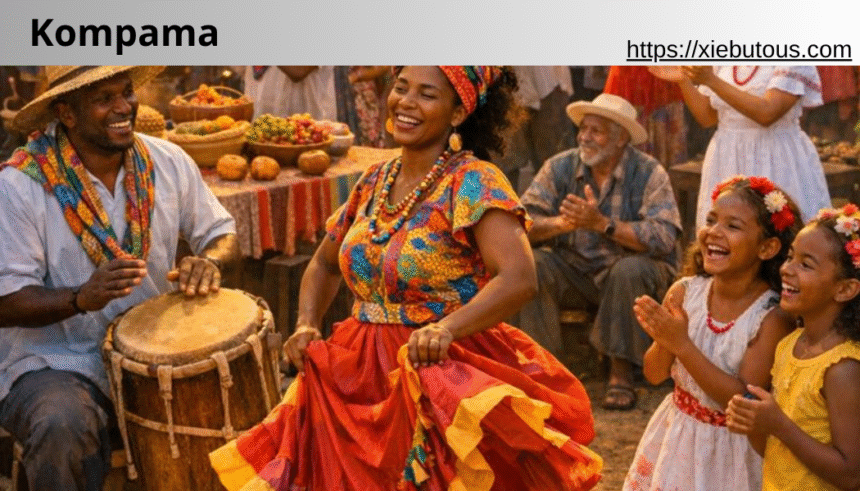
Kompama is a cultural tradition centered around celebration, togetherness, and shared identity. It often includes music, movement, storytelling, food, and rituals that bring people together.

At its core, kompama represents:
- Community bonding
- Cultural expression
- Celebration of life
- Shared traditions and values
Unlike simple events or festivals, kompama carries deeper meaning. It reflects the history, beliefs, and emotions of the people who practice it.
Also read:Repmold: The Complete 3000+ Word Guide to Modern Mold-Making Innovation
Kompama is not limited to one form. It can appear in different styles depending on the region and community. However, the central idea of unity and joy remains the same.
The Historical Roots of kompama
The origins of kompama can be traced back to early communal societies where gatherings were essential for survival and connection.
In ancient times, people came together to celebrate harvests, mark important events, and strengthen social bonds. These gatherings often included music, dance, and storytelling. Over time, these practices evolved into structured traditions like kompama.
Kompama grew as a way to:
- Preserve history through stories
- Pass down values to younger generations
- Create a sense of belonging
Even though modern life has changed many traditions, kompama continues to hold strong because of its emotional and social importance.
Core Elements of kompama
To understand kompama fully, it is helpful to explore its main elements.
Music and Rhythm
Music is a central part of kompama. Rhythms create energy and bring people together. Music often reflects cultural identity and history.
Dance and Movement
Movement is another key aspect. Dance allows people to express emotions, celebrate joy, and connect physically with the community.
Storytelling
Stories shared during kompama events help preserve traditions. These stories often teach lessons, share history, and strengthen identity.
Food and Sharing
Food plays a big role in kompama. Sharing meals builds connection and symbolizes unity.
Rituals and Symbolism
Kompama often includes rituals that carry special meaning. These rituals may represent gratitude, hope, or remembrance.
Why kompama Matters Today
In modern society, traditions like kompama are more important than ever.
Building Strong Communities
Kompama brings people together. It creates spaces where individuals feel connected and supported.
Preserving Culture
As the world becomes more global, local traditions can fade. Kompama helps protect cultural identity.
Supporting Mental Well-Being
Social connection is important for mental health. Kompama provides a positive and joyful environment.
Encouraging Inclusivity
Kompama often welcomes people from different backgrounds, promoting understanding and respect.
kompama in Modern Society
While kompama has deep historical roots, it has also adapted to modern life.
Urban Celebrations
In cities, kompama events may take place in community centers, parks, or cultural festivals.
Digital Influence
Social media and online platforms help share kompama with a wider audience. This increases awareness and appreciation.
Cultural Exchange
Kompama is now being experienced by people from different cultures, creating opportunities for learning and collaboration.
Also read:Why Timeline Business: A Complete Guide to Understanding Its Importance and Impact
Unique Insights on kompama
Looking deeper, kompama offers valuable insights that go beyond basic understanding.
A Response to Modern Isolation
In a time when many people feel isolated, kompama acts as a natural solution. It brings people together in meaningful ways.
Emotional Expression Without Words
Kompama allows people to express feelings through music and movement. This is especially important in cultures where emotions are not always spoken openly.
A Living Tradition
Unlike static traditions, kompama evolves with each generation. It remains relevant because it adapts while keeping its core values.
Collective Identity Formation
Kompama helps individuals understand who they are as part of a group. This strengthens identity and belonging.
How to Experience kompama
Experiencing kompama does not require special skills. It is open and welcoming.
Join Local Events
Look for cultural gatherings or festivals that feature kompama.
Participate Actively
Do not just watch. Join the music, dance, or activities.
Learn the Meaning
Understanding the background of kompama makes the experience more meaningful.
Respect Traditions
Be mindful of cultural practices and show respect.
kompama and Cultural Identity
Kompama plays a strong role in shaping identity.
Connection to Heritage
It helps people stay connected to their roots.
Pride in Culture
Participating in kompama builds pride and confidence.
Passing Traditions Forward
Younger generations learn values and traditions through kompama.
kompama in Education
Educational systems can benefit from including kompama.
Cultural Awareness
Students learn about diversity and respect.
Creative Expression
Kompama encourages creativity through music and movement.
Social Skills
Group participation builds teamwork and communication.
Economic Impact of kompama
Kompama also has economic benefits.
Tourism
Cultural events attract visitors, supporting local economies.
Local Businesses
Food vendors, artists, and performers benefit from kompama events.
Job Creation
Organizing events creates employment opportunities.
Challenges Facing kompama
Despite its value, kompama faces challenges.

Cultural Dilution
As traditions spread, they may lose their original meaning.
Also read:Lufanest: The Ultimate All-in-One Digital Platform for Blogs, Tools, and Smart Resources
Commercialization
Over-commercialization can reduce authenticity.
Generational Gaps
Younger people may lose interest if traditions are not adapted.
Future of kompama
The future of kompama depends on balance.
Preserving Authenticity
Maintaining original values is important.
Encouraging Innovation
Adapting to modern preferences keeps kompama relevant.
Global Recognition
Kompama has the potential to become widely recognized and appreciated.
Real-Life Examples of kompama
Kompama can appear in many forms.
Community Gatherings
Local neighborhoods organizing cultural celebrations.
Family Events
Families using kompama traditions during special occasions.
Public Festivals
Large-scale events showcasing music, dance, and food.
How kompama Strengthens Society
Kompama contributes to a stronger society in many ways.
- Promotes unity
- Encourages cultural understanding
- Supports emotional well-being
- Builds lasting relationships
These benefits make kompama a valuable part of human life.
Conclusion
Kompama is a powerful cultural tradition that connects people through celebration, shared experiences, and meaningful values. It reflects the importance of community, identity, and emotional expression.
In a rapidly changing world, kompama offers something simple yet essential: human connection. It reminds us that joy, culture, and togetherness are key parts of a fulfilling life.
By understanding and participating in kompama, individuals can experience deeper connections, preserve cultural heritage, and contribute to a more inclusive and vibrant society.
FAQs About kompama
What makes kompama different from other traditions?
Kompama focuses strongly on community participation and emotional connection rather than just formal rituals.
Can anyone join kompama events?
Yes, most kompama events are open and welcoming to everyone.
Is kompama linked to a specific culture?
Kompama has roots in specific traditions but can be adapted and appreciated globally.
How often is kompama celebrated?
It depends on the community. Some celebrate it regularly, while others do so during special occasions.
Can kompama be modernized?
Yes, kompama can evolve while still maintaining its core values.