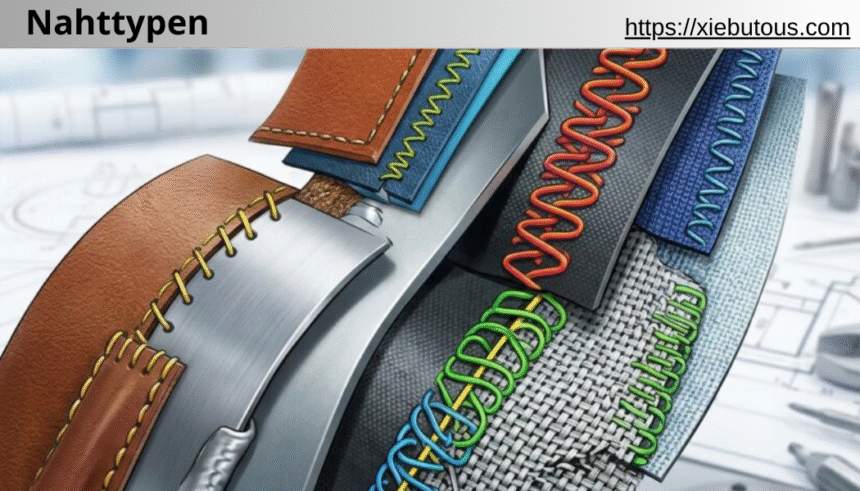
The world of sewing, fashion design, and textile manufacturing depends on one fundamental element that often goes unnoticed: seams. While fabrics, colors, and patterns receive much of the attention, the way pieces of fabric are joined together determines the durability, comfort, appearance, and performance of a finished product. This is where the concept of nahttypen becomes important.
The German word “nahttypen” translates to “seam types” in English. In its simplest form, it refers to the various methods used to join two or more layers of fabric together. Although seams may appear simple, they play a critical role in everything from everyday clothing and luxury fashion to sportswear, outdoor gear, medical textiles, and industrial products.
Understanding nahttypen is valuable for professional designers, sewing enthusiasts, students, tailors, and anyone interested in textile production. Different seam types serve different purposes, and choosing the correct seam can dramatically affect a garment’s quality and lifespan.
This comprehensive guide explores nahttypen in detail, including their history, importance, major categories, practical applications, advantages, disadvantages, and future developments in textile technology. Whether you are new to sewing or an experienced professional, this guide will help you understand why seam selection matters more than most people realize.
What Does Nahttypen Mean?
Nahttypen refers to the different kinds of seams used to connect fabric pieces during construction.
Every garment contains seams. Shirts, pants, jackets, dresses, bags, curtains, and even technical products rely on seams to hold materials together.
A seam is much more than a line of stitching. It serves several important functions:
- Joining fabric pieces
- Providing structural support
- Creating garment shape
- Improving durability
- Enhancing appearance
- Increasing comfort
- Supporting design features
Different nahttypen are selected based on the intended use of the finished product.

Why Nahttypen Matter in Modern Sewing
Many beginners assume all seams are essentially the same. In reality, seam selection significantly affects the quality of a product.
Also read:Masgonzola: The Complete Guide to This Creamy Blue Cheese Hybrid
Strength
Some seam types are designed to withstand heavy stress and frequent movement.
Comfort
Certain seams reduce skin irritation and improve wearability.
Appearance
Decorative seams contribute to a garment’s visual appeal.
Durability
Proper seam construction extends product lifespan.
Performance
Specialized seam types improve flexibility, water resistance, and athletic performance.
The correct choice of nahttypen can mean the difference between a garment that lasts for years and one that fails after a few months.
The History of Nahttypen
The history of seam construction stretches back thousands of years.
Early civilizations joined animal skins and fabrics using primitive stitching techniques made from bone needles and natural fibers.
As textile production advanced, seam techniques evolved.
Important developments included:
- Hand sewing methods
- Tailoring techniques
- Industrial sewing machines
- Synthetic threads
- Automated manufacturing
- Technical textile engineering
Today, modern nahttypen combine traditional craftsmanship with advanced manufacturing technology.
Basic Components of a Seam
Before understanding different nahttypen, it is helpful to understand the basic elements of a seam.
Fabric Layers
Most seams connect two or more pieces of fabric.
Stitching Line
The stitches create the physical bond between materials.
Seam Allowance
The fabric extending beyond the stitching line is called the seam allowance.
Thread
Thread selection affects seam strength and flexibility.
Finishing Method
Many seams include finishing techniques to prevent fraying.
Together, these elements determine seam performance.
Major Categories of Nahttypen
Most seam types fall into several broad categories.
Plain Seams
Flat Seams
Bound Seams
French Seams
Flat-Felled Seams
Decorative Seams
Reinforced Seams
Specialized Industrial Seams
Each category serves specific purposes.
Plain Seam
The plain seam is the most common of all nahttypen.
Two pieces of fabric are placed together and stitched along the edge.
Advantages
- Easy to create
- Fast production
- Suitable for most projects
- Efficient fabric usage
Disadvantages
- Raw edges may fray
- Limited decorative appeal
Common Uses
- Shirts
- Dresses
- Skirts
- Home décor products
The plain seam serves as the foundation for many advanced seam types.
French Seam
French seams are among the most elegant nahttypen used in garment construction.
This technique encloses raw fabric edges inside the seam.
Advantages
- Clean appearance
- Professional finish
- Reduced fraying
- Increased durability
Common Uses
- Delicate fabrics
- Luxury garments
- Lingerie
- Lightweight blouses
French seams are especially popular when appearance matters as much as durability.
Flat-Felled Seam
The flat-felled seam is one of the strongest seam types available.
It encloses raw edges while creating a flat and durable finish.
Advantages
- Exceptional strength
- Professional appearance
- Reduced fraying
- Comfortable against skin
Common Uses
- Jeans
- Workwear
- Outdoor clothing
- Children’s garments
Many premium denim products rely heavily on this seam type.
Bound Seam
A bound seam uses additional fabric or binding material to cover raw edges.
Benefits
- Decorative appearance
- Enhanced durability
- Improved edge protection
Applications
- Jackets
- Sportswear
- Bags
- Technical garments
Bound seams combine function and aesthetics.
Overlock Seam
Overlock seams are commonly used in modern garment manufacturing.
Specialized machines trim and stitch edges simultaneously.
Advantages
- Fast production
- Reduced fraying
- Flexible construction
- Efficient finishing
Common Applications
- T-shirts
- Knitwear
- Athletic clothing
Overlock seams dominate mass-produced apparel.
Flatlock Seam
Flatlock seams create a flat connection between fabric pieces.
Also read:Merfez: The Complete Guide to a Natural, Intentional, and Meaningful Lifestyle in 2026
Advantages
- Minimal bulk
- Enhanced comfort
- Reduced chafing
Popular Uses
- Sportswear
- Activewear
- Compression garments
- Performance clothing
Athletes often benefit from the comfort provided by flatlock construction.
Decorative Nahttypen
Not all seams are purely functional.
Decorative seam types contribute to visual design.
Examples
- Topstitched seams
- Piped seams
- Decorative embroidery seams
- Contrast stitching seams
These techniques help designers create unique products.
Seam Types Used in Fashion Design
Fashion designers carefully select nahttypen based on design goals.
High-End Fashion
Luxury garments often feature:
- French seams
- Hand-finished seams
- Bound seams
Casual Fashion
Casual clothing frequently uses:
- Plain seams
- Overlock seams
- Flat-felled seams
Contemporary Fashion
Modern designs may combine multiple seam types within one garment.
This creates visual interest while optimizing functionality.
Nahttypen in Sportswear
Sportswear places unique demands on seams.
Athletes require:
- Comfort
- Flexibility
- Durability
- Moisture management
As a result, manufacturers often use:
- Flatlock seams
- Reinforced seams
- Stretch seams
The correct seam selection improves athletic performance and comfort.
Nahttypen in Outdoor Equipment
Outdoor products must withstand harsh conditions.
Examples include:
- Hiking apparel
- Tents
- Backpacks
- Sleeping bags
These products often rely on:
- Reinforced seams
- Waterproof seams
- Bound seams
Durability becomes the primary priority.
Industrial Applications of Nahttypen
Nahttypen extend beyond clothing.
Industrial applications include:
- Automotive interiors
- Medical textiles
- Safety equipment
- Aerospace materials
- Military products
Each application requires specific seam performance characteristics.
Choosing the Right Nahttypen
Selecting the appropriate seam type depends on several factors.
Fabric Type
Lightweight fabrics require different seam constructions than heavy materials.
Intended Use
Everyday garments have different requirements than industrial products.
Appearance
Visual goals influence seam selection.
Cost
Some seam types require additional labor and equipment.
Durability Requirements
Products exposed to stress need stronger seam structures.
Professionals evaluate all these factors before choosing a seam.
Common Mistakes When Selecting Seam Types
Many sewing problems originate from poor seam selection.
Using Weak Seams for Heavy Fabrics
Heavy fabrics require stronger seam structures.
Ignoring Fabric Stretch
Stretch fabrics need flexible seams.
Overlooking Comfort
Bulky seams can create discomfort.
Choosing Appearance Over Function
Attractive seams must still meet performance requirements.
Avoiding these mistakes improves overall product quality.
The Relationship Between Nahttypen and Sustainability
Sustainability is becoming increasingly important in the textile industry.

Well-designed seams contribute to sustainability by:
- Extending product lifespan
- Reducing waste
- Improving repairability
- Supporting durable construction
A garment that lasts longer generally has a lower environmental impact.
Technological Innovations in Nahttypen
Seam technology continues evolving.
Modern innovations include:
Ultrasonic Welding
Certain materials can be joined without traditional stitching.
Bonded Seams
Advanced adhesives create smooth, durable connections.
Laser Technology
Laser-based manufacturing improves precision.
Smart Textiles
Future seam designs may integrate electronic components and sensors.
These developments are transforming the textile industry.
Future Trends in Nahttypen
Several trends are expected to shape the future of seam technology.
Increased Automation
Manufacturing processes continue becoming more automated.
Sustainable Production
Environmentally friendly seam solutions are gaining importance.
Performance Apparel Growth
Athletic and technical clothing demand specialized seam technologies.
Custom Manufacturing
Digital production methods support personalized garments.
Smart Garments
Wearable technology will require innovative seam integration.
These trends will influence how nahttypen evolve over the coming years.
Expert Analysis: Why Seam Types Matter More Than Most People Think
Many consumers focus on fabric quality while overlooking seam construction.
However, experienced professionals understand that seams often determine a garment’s actual lifespan.
A premium fabric paired with poor seam construction may fail quickly.
Conversely, a modest fabric combined with excellent seam engineering can deliver years of reliable performance.
This insight highlights why nahttypen deserve greater attention from both consumers and manufacturers.
Seam selection represents the intersection of engineering, design, comfort, and durability.
The best products balance all four factors successfully.
How Understanding Nahttypen Helps Consumers
Learning about nahttypen provides practical benefits.
Consumers can:
- Identify higher-quality garments
- Make smarter purchasing decisions
- Understand clothing construction
- Evaluate durability
- Improve sewing skills
Even basic knowledge of seam types can help shoppers recognize better-made products.
Conclusion
Nahttypen form the foundation of sewing, fashion design, and textile manufacturing. While often overlooked, seam types influence nearly every aspect of a product’s performance, including strength, comfort, appearance, durability, and functionality.
From simple plain seams to advanced flatlock and bonded constructions, each seam type serves a specific purpose. Understanding these differences allows designers, manufacturers, and consumers to make more informed decisions.
As technology advances and sustainability becomes increasingly important, the role of nahttypen will continue to grow. Future innovations in textiles, smart garments, and automated production will further expand the possibilities of seam engineering.
Whether you are a professional tailor, fashion student, sewing enthusiast, or informed consumer, understanding nahttypen provides valuable insight into the craftsmanship behind every textile product.
Frequently Asked Questions About Nahttypen
What does nahttypen mean in English?
Nahttypen is a German term that translates to “seam types” and refers to different methods of joining fabrics together.
Which nahttypen are strongest?
Flat-felled seams and reinforced seams are generally considered among the strongest seam types.
Are French seams suitable for heavy fabrics?
French seams work best with lightweight and medium-weight fabrics rather than very heavy materials.
Why are flatlock seams popular in sportswear?
Flatlock seams reduce friction and improve comfort during physical activity.
Do all garments use the same seam type?
No. Different garments often use multiple seam types depending on design and performance requirements.
Can beginners learn different nahttypen easily?
Yes. Many seam types can be learned through practice and basic sewing instruction.