



Introduction: Why Brain Health Matters More Than Ever
In today’s fast-moving world, brain health is no longer just a medical topic. It has become a daily life priority. People of all ages want better focus, stronger memory, faster thinking, and protection against age-related mental decline. That is why the search term “what are the best foods for brain health” has become so important.
Your brain controls everything you do—thinking, emotions, memory, movement, and even how you sleep. But what many people don’t realize is that the brain is also deeply connected to what you eat every day. The food you choose can either support your brain or slowly damage its performance over time.
Modern research in nutrition and neuroscience shows that certain foods can improve brain function, reduce inflammation, support memory, and even lower the risk of conditions like dementia and Alzheimer’s disease.
This article explains in simple English what are the best foods for brain health, why they work, and how you can include them in your daily life in a practical way.
Understanding the Connection Between Food and Brain Health
Before we talk about specific foods, it is important to understand how food affects the brain.
Your brain uses about 20% of your daily energy. It needs a constant supply of nutrients like glucose, healthy fats, vitamins, minerals, and antioxidants.

When you eat unhealthy food like processed snacks, sugary drinks, or fried fast food, your brain can become inflamed and tired. This may lead to:
Also read:What Color Is Mental Health A Complete Guide to Meaning, Awareness, and Symbolism
- Poor memory
- Difficulty concentrating
- Mood swings
- Mental fatigue
- Long-term cognitive decline
On the other hand, brain-healthy foods provide:
- Stable energy for focus
- Protection against brain cell damage
- Improved communication between brain cells
- Better mood and emotional balance
This is why diet is now considered one of the strongest lifestyle factors for brain performance.
What Are the Best Foods for Brain Health: The Core List
Let’s explore the most scientifically supported foods that improve brain function and protect cognitive health.
Fatty Fish: The Brain’s Most Powerful Food
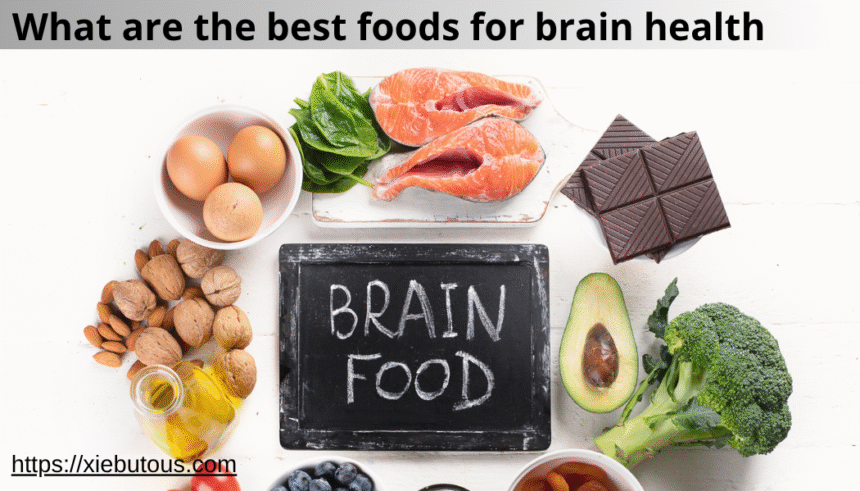
Fatty fish is often considered one of the best answers to what are the best foods for brain health.
Fish like salmon, sardines, mackerel, and trout are rich in omega-3 fatty acids. These healthy fats are essential for brain structure and function.
Why Fatty Fish Is Important
- The brain is made of nearly 60% fat
- Omega-3 supports brain cell membranes
- It improves memory and learning ability
- It reduces inflammation in the brain
Real-Life Benefits
People who regularly eat fatty fish often show:
- Better focus
- Slower mental decline with age
- Reduced risk of Alzheimer’s disease
Simple Tip
Try eating fatty fish at least 2 times per week for best results.
Blueberries: Small Fruit, Big Brain Power
Blueberries are often called “brain berries” because of their powerful antioxidants.
How Blueberries Help the Brain
Blueberries contain compounds called flavonoids that:
- Improve communication between brain cells
- Reduce brain inflammation
- Support memory retention
- Protect the brain from aging damage
Research Insight
Studies show that people who consume blueberries regularly may experience improved memory and delayed brain aging.
Easy Way to Eat Them
- Add them to yogurt
- Mix them into smoothies
- Eat them as a snack
Eggs: Natural Brain Vitamin Source
Eggs are one of the most affordable brain foods available.
Key Brain Nutrients in Eggs
- Choline (important for memory)
- Vitamin B12 (supports brain energy)
- Folate (improves brain function)
Why Eggs Are Powerful for the Brain
Choline in eggs helps create acetylcholine, a chemical that supports memory and learning.
Best Way to Eat Eggs
Boiled or poached eggs are healthier than fried versions.
Nuts and Seeds: Brain Fuel in Every Bite
Nuts and seeds are simple but extremely powerful for brain health.
Best Nuts for Brain Health
- Walnuts
- Almonds
- Cashews
- Pumpkin seeds
- Sunflower seeds
Why They Work
- Rich in vitamin E (protects brain cells)
- Contain healthy fats for brain structure
- Support long-term memory health
Special Insight
Walnuts are especially beneficial because their shape resembles the human brain and they are packed with omega-3 fatty acids.
Leafy Green Vegetables: Natural Brain Protection
Leafy greens like spinach, kale, and broccoli are essential when discussing what are the best foods to eat for brain health.
Benefits of Leafy Greens
- High in vitamin K (supports brain cell structure)
- Contain folate (improves mental performance)
- Reduce cognitive decline risk
Scientific Insight
Regular consumption of leafy greens has been linked to slower brain aging and improved memory retention.
Dark Chocolate: A Smart Brain Treat
Dark chocolate (70% cocoa or higher) is not just a dessert. It can actually boost brain function.
Brain Benefits of Dark Chocolate
- Improves blood flow to the brain
- Enhances focus and alertness
- Contains flavonoids that protect brain cells
Important Tip
Eat in moderation. A small piece daily is enough.
Whole Grains: Stable Energy for the Brain
Whole grains like oats, brown rice, and whole wheat are important for long-lasting brain energy.
Also read:How to Monitor Crop Health Using Satellites: A Complete Beginner-Friendly Guide
Why Whole Grains Matter
- Provide steady glucose supply to the brain
- Prevent energy crashes
- Support concentration and focus
Simple Examples
- Oatmeal breakfast
- Brown rice instead of white rice
- Whole grain bread sandwiches
Avocados: Healthy Fats for Mental Performance
Avocados are rich in monounsaturated fats that support healthy blood flow.
Brain Benefits
- Improve circulation to brain cells
- Support memory and thinking speed
- Reduce blood pressure, which benefits brain health
Tomatoes: Natural Brain Protection from Oxidative Stress
Tomatoes contain lycopene, a powerful antioxidant.
Why Lycopene Is Important
- Protects brain cells from damage
- Reduces inflammation
- Supports long-term cognitive health
Cooked tomatoes (like in sauces) have even more absorbable lycopene.
Green Tea: Focus and Calm in a Cup
Green tea contains caffeine and L-theanine, a powerful combination for brain performance.
Benefits of Green Tea
- Improves focus without jitters
- Enhances memory
- Supports calm alertness
Water: The Most Underrated Brain Nutrient
Even mild dehydration can affect brain performance.
Effects of Dehydration
- Poor concentration
- Headaches
- Slow thinking
Simple Rule
Drink enough water throughout the day to keep your brain fully hydrated and active.
What Are the Three Best Foods for Brain Health?
If we narrow it down to the top three foods based on scientific evidence, they are:
- Fatty fish (especially salmon)
- Blueberries
- Eggs
These three provide omega-3 fats, antioxidants, and essential nutrients that directly support memory, focus, and brain protection.
What Are the Best Food for Brain Health in Daily Life?
In real life, the best approach is not focusing on one food but building a balanced brain diet.
A simple daily brain-healthy plate includes:
- Protein (eggs or fish)
- Healthy fats (nuts or avocado)
- Fruits (blueberries or berries)
- Vegetables (leafy greens)
- Whole grains (oats or brown rice)
This combination ensures your brain gets all necessary nutrients for peak performance.
How These Foods Improve Brain Function: A Deeper Insight
The reason these foods work is not random. They affect the brain in specific biological ways:

1. Reducing Inflammation
Chronic inflammation damages brain cells over time. Foods like berries, fish, and leafy greens reduce this risk.
Also read:Can Root Canal Cause Health Problems A Complete Evidence Based Guide for Patients
2. Improving Blood Flow
Foods like avocados and green tea help deliver oxygen and nutrients to the brain.
3. Supporting Neurotransmitters
Eggs and nuts help produce chemicals that control mood, memory, and learning.
4. Protecting Against Aging
Antioxidants in berries and dark chocolate protect brain cells from aging damage.
Lifestyle Tips to Boost Brain Health Along with Diet
Food is powerful, but combining it with healthy habits improves results even more:
- Get enough sleep (7–8 hours)
- Exercise regularly
- Reduce stress
- Avoid excessive sugar and junk food
- Stay mentally active (reading, puzzles, learning)
Common Mistakes That Harm Brain Health
Many people unknowingly damage their brain health through daily habits:
- Eating too much processed food
- Skipping breakfast
- Drinking too much sugary soda
- Not drinking enough water
- High stress lifestyle
Avoiding these mistakes is just as important as eating brain-healthy foods.
Future Research and Brain Nutrition Trends
Modern research is now exploring:
- Gut-brain connection (how digestion affects thinking)
- Personalized brain diets based on genetics
- Plant-based brain nutrition
- Anti-aging diets for long cognitive life
This shows that brain nutrition is becoming one of the most important areas in health science.
Conclusion: Building a Smarter Brain Through Food Choices
Understanding what are the best foods for brain health is not just about dieting. It is about building a lifestyle that supports your mind for life.
Foods like fatty fish, blueberries, eggs, nuts, leafy greens, and whole grains provide the foundation for strong memory, better focus, and long-term brain protection.
When combined with healthy habits, these foods can help you think more clearly, stay mentally sharp, and reduce the risk of cognitive decline as you age.
The key message is simple: every meal is a chance to either support your brain or weaken it. Choosing wisely today builds a stronger mind for tomorrow.
FAQs About Brain Health Foods
1. Can brain foods improve memory instantly?
No, brain foods work over time. Regular consumption improves memory gradually.
2. Are supplements better than real food for brain health?
Whole foods are better because they contain natural combinations of nutrients.
3. Can children benefit from brain foods?
Yes, brain-healthy foods are important for learning and development in children.
4. Is coffee good for the brain?
In moderation, coffee can improve alertness, but too much can increase anxiety.
5. What is the worst food for brain health?
Sugary drinks, processed foods, and trans fats are most harmful.
6. How long does it take to see brain health improvements from diet?
Usually a few weeks to months of consistent healthy eating.