




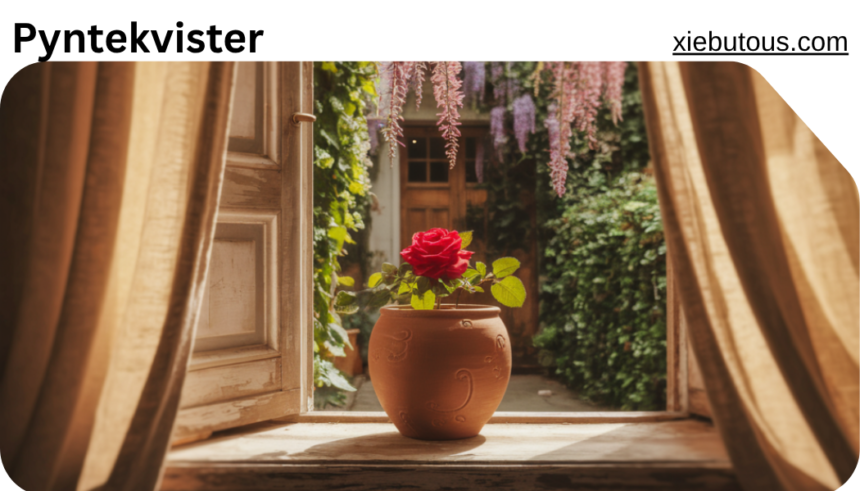
Home decorating has evolved far beyond traditional flowers and expensive decorative accessories. Today, many homeowners, interior designers, and DIY enthusiasts are embracing natural elements that add warmth, texture, and timeless beauty to indoor spaces. One decorative trend that continues to grow in popularity is the use of pyntekvister.
The Norwegian word “pyntekvister” refers to decorative branches used for aesthetic purposes rather than for producing flowers or fruit. These branches may be fresh, dried, preserved, painted, or naturally harvested. Their beauty comes from their shape, texture, color, and ability to bring nature indoors.
Unlike seasonal flower arrangements that require frequent replacement, pyntekvister often last for months or even years with very little maintenance. This makes them an attractive option for people seeking sustainable, affordable, and elegant home decoration.
In this comprehensive guide, you’ll learn everything about pyntekvister, including their meaning, history, popular types, decorating ideas, maintenance tips, sustainability benefits, DIY projects, seasonal styling, and current interior design trends. Instead of simply describing decorative branches, this article explores why they have become an essential element of modern home design.
What Are Pyntekvister?
Pyntekvister are decorative branches chosen primarily for their visual appeal rather than for flowers, fruit, or practical use.
These branches may come from:
- Trees
- Shrubs
- Bushes
- Decorative plants
- Artificial botanical collections
They can be displayed individually or arranged together in vases, centerpieces, wall displays, seasonal decorations, and creative craft projects.
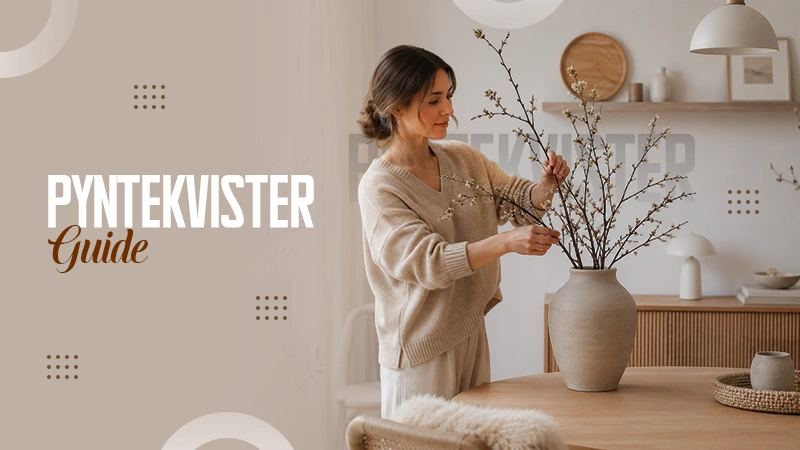
Unlike fresh bouquets that fade quickly, pyntekvister emphasize structure, natural form, and long-lasting beauty.
Understanding the Meaning of Pyntekvister
The word comes from Norwegian.
Also read:Exhentaime: A Complete Guide to Smarter Time Management, Productivity, and Stress-Free Living
- “Pynte” means decorate or decoration.
- “Kvister” means branches or twigs.
Together, pyntekvister simply means decorative branches.
Although the word is Norwegian, the decorating concept is universal and has become increasingly popular worldwide.
Why Pyntekvister Have Become So Popular
Several modern design trends have contributed to the growing popularity of decorative branches.
Natural Interior Design
Many homeowners want interiors that feel calm, comfortable, and connected to nature.
Pyntekvister introduce organic shapes without overwhelming a room.
Minimalist Decorating
Simple branches often create a stronger visual impact than large floral arrangements.
Minimalist interiors appreciate clean lines and natural textures.
Long-Lasting Beauty
Unlike fresh flowers that last only days, decorative branches often remain attractive for months or years.
Affordable Decoration
Many branches can be collected responsibly from nature or purchased at relatively low cost compared to elaborate floral arrangements.
Sustainability
Reusable decorations reduce waste and support environmentally friendly decorating practices.
Different Types of Pyntekvister
Decorative branches come in many styles.
Each creates a different atmosphere within a room.
Fresh Branches
Freshly cut branches provide a natural appearance.
Some varieties even develop leaves or blossoms when placed in water.
Advantages include:
- Fresh appearance
- Natural fragrance
- Seasonal beauty
Dried Branches
Dried branches have become one of the most popular interior design accessories.
Benefits include:
- Very low maintenance
- Long lifespan
- Rustic appearance
- Timeless style
Preserved Branches
Special preservation techniques help maintain flexibility while extending durability.
These branches often retain much of their original appearance.
Artificial Decorative Branches
High-quality artificial branches closely resemble natural materials while requiring almost no maintenance.
They work well in commercial spaces and busy households.
Popular Branches Used as Pyntekvister
Many tree species produce attractive decorative branches.
Popular choices include:
Birch Branches
Birch provides:
- White bark
- Elegant texture
- Scandinavian appearance
Willow Branches
Willow offers graceful curves that create soft visual movement.
Curly willow remains especially popular.
Cherry Branches
Seasonal blossoms make cherry branches ideal for spring decorating.
Magnolia Branches
Large buds create sophisticated arrangements even before flowering.
Dogwood Branches
Dogwood provides interesting branch structure throughout the year.
Eucalyptus Branches
Although technically foliage rather than bare branches, eucalyptus remains a favorite due to its pleasant fragrance and soft color.
How Pyntekvister Improve Interior Design
Decorative branches contribute much more than simple decoration.
They improve interior spaces by adding:
- Height
- Texture
- Balance
- Natural contrast
- Visual interest
- Organic shapes
Professional interior designers frequently use branches to create focal points without making a room feel crowded.
Choosing the Right Vase
The vase plays an important role in the overall presentation.
Different styles create different moods.
Glass Vases
Transparent glass creates a clean modern appearance.
Ceramic Vases
Ceramic complements Scandinavian and farmhouse interiors.
Stone Vases
Stone containers emphasize natural textures.
Metal Vases
Metal provides an industrial or contemporary appearance.
The branch arrangement should remain proportional to the vase size.
Best Rooms for Displaying Pyntekvister
Decorative branches work in nearly every room.
Living Room
Tall branches beside sofas or fireplaces create dramatic visual impact.
Also read:ChamberFX: The Complete Guide to the Online Trading Platform
Dining Room
Centerpieces featuring decorative branches make elegant dining displays.
Bedroom
Simple branch arrangements contribute to relaxing environments.
Home Office
Natural elements help soften technology-filled workspaces.
Entryway
A large vase with decorative branches creates an inviting first impression.
Seasonal Decorating with Pyntekvister
One of the greatest advantages of decorative branches is their adaptability throughout the year.
Spring
Fresh flowering branches celebrate seasonal renewal.
Summer
Green branches paired with light-colored vases create fresh interiors.
Autumn
Branches decorated with dried leaves, berries, or warm colors reflect fall landscapes.
Winter
Bare branches create elegant minimalist displays and pair beautifully with lights or ornaments.
DIY Ideas Using Pyntekvister
Decorative branches inspire countless creative projects.
Popular DIY ideas include:
- Table centerpieces
- Wall art
- Hanging decorations
- Seasonal wreaths
- Holiday displays
- Photo holders
- Jewelry organizers
- Decorative room dividers
Because branches vary naturally in shape, every project becomes unique.
How to Collect Pyntekvister Responsibly
If gathering branches outdoors, responsible collection is important.
Good practices include:
- Collect fallen branches when appropriate.
- Avoid damaging healthy trees.
- Respect local environmental regulations.
- Never collect from protected natural areas without permission.
- Clean branches before bringing them indoors.
Responsible collection helps protect forests while supporting sustainable decorating.
The Growing Popularity of Scandinavian Design
Pyntekvister are closely connected with Scandinavian interior design, which emphasizes simplicity, functionality, and a strong connection to nature.
Key characteristics include:
- Neutral colors
- Clean lines
- Natural materials
- Soft lighting
- Minimal decoration
- Comfortable living spaces
Decorative branches fit perfectly within this design philosophy because they add warmth without creating visual clutter.
How Pyntekvister Support Sustainable Living
As sustainability becomes more important, homeowners are looking for ways to decorate with less waste.
Decorative branches support environmentally friendly living because they often:
- Last much longer than fresh flowers.
- Can be reused season after season.
- Require little or no water.
- Produce minimal waste.
- Encourage the use of natural materials.
For people interested in eco-conscious decorating, pyntekvister offer both beauty and sustainability.
Common Mistakes When Decorating with Pyntekvister
Although decorative branches are easy to use, a few mistakes can reduce their visual impact.
Using Branches That Are Too Large
Oversized branches may overwhelm small rooms or narrow tables.
Always choose branches that match the scale of your space.
Overcrowding the Arrangement
Minimal arrangements often look more elegant than densely packed displays.
Allow each branch enough space to showcase its natural shape.
Ignoring Balance
A balanced arrangement creates a more pleasing appearance than branches leaning heavily to one side.
Choosing the Wrong Vase Size
Very tall branches require stable, heavier containers that provide proper support.
Creative Ways to Decorate with Pyntekvister
One of the reasons pyntekvister remain popular is their versatility. Decorative branches fit almost every decorating style, from modern apartments to traditional family homes.
Create a Statement Entryway
A tall vase filled with decorative branches near the entrance creates an inviting first impression. It adds height, texture, and natural beauty without taking up much floor space.
Design an Elegant Dining Table Centerpiece
Instead of using fresh flowers that need frequent replacement, arrange medium-sized pyntekvister in a simple ceramic or glass vase. The arrangement creates an elegant centerpiece that lasts much longer.
Decorate Empty Corners
Large rooms often have unused corners that feel empty. Tall decorative branches can fill these spaces while maintaining an open and uncluttered appearance.
Enhance Bookshelves
Small decorative branches placed in compact vases can soften bookshelves, office desks, and display cabinets by introducing natural elements among books and decorative objects.
Seasonal Window Displays
Decorative branches can be updated throughout the year with subtle seasonal decorations, creating attractive window displays without major changes.
Matching Pyntekvister with Different Interior Styles
Decorative branches are highly adaptable because they complement many design styles.
Modern Style
Modern interiors often feature clean lines and neutral colors.
Recommended branches include:
- Birch
- Curly willow
- Magnolia
- Minimal dried branches
Simple arrangements work best.
Scandinavian Style
Scandinavian interiors emphasize light colors and natural materials.
Pyntekvister perfectly complement:
- Wooden furniture
- White walls
- Linen fabrics
- Soft lighting
Rustic Style
Rustic homes benefit from branches with natural textures and irregular shapes.
Popular choices include:
- Oak branches
- Pine branches
- Driftwood
- Wild branches
Farmhouse Style
Decorative branches paired with vintage ceramic containers or woven baskets enhance farmhouse interiors by creating warmth and character.
Contemporary Style
Contemporary spaces often combine decorative branches with metallic accessories, textured artwork, and minimalist furniture.
How to Care for Pyntekvister
Proper maintenance helps decorative branches remain attractive for a long time.
Dust Regularly
Dust can collect on dried branches over time.
A soft microfiber cloth or gentle feather duster usually works well.
Avoid Excessive Moisture
Dried branches should remain in dry indoor environments to prevent mold or damage.
Keep Away from Direct Sunlight
Strong sunlight may gradually fade painted or preserved branches.
Displaying arrangements in indirect light often extends their appearance.
Check Stability
Large arrangements should remain securely positioned to prevent tipping, especially in homes with children or pets.
Can You Paint Pyntekvister?
Yes. Many people customize decorative branches with paint to match seasonal themes or interior color palettes.
Popular color choices include:
- White
- Black
- Gold
- Silver
- Bronze
- Soft green
- Neutral beige
Painting branches allows homeowners to refresh existing decorations instead of purchasing new ones.
Using Pyntekvister for Holiday Decorations
Decorative branches work beautifully during holidays because they can easily be customized.
Also read:Cartetach: The Complete Guide to Secure Identity, Smart Payments, and Modern Access Control
Spring Holidays
Decorate branches with:
- Pastel ornaments
- Decorative eggs
- Small flowers
- Ribbons
Autumn Displays
Add:
- Artificial leaves
- Pinecones
- Small pumpkins
- Natural berries
Winter Celebrations
Decorative branches become elegant holiday displays when combined with:
- LED fairy lights
- Hanging ornaments
- Snowflake decorations
- Wooden stars
This flexibility allows one arrangement to be updated throughout the year.
Why Interior Designers Love Pyntekvister
Professional designers frequently include decorative branches in residential and commercial projects.
Several reasons explain their popularity.
Timeless Appearance
Unlike short-lived decorating trends, natural branches remain stylish across many design styles.
Visual Height
Tall branches naturally draw the eye upward, making ceilings appear higher.
Natural Texture
Modern interiors often contain many smooth surfaces such as glass, metal, and painted walls.
Branches introduce organic texture that creates visual balance.
Low Maintenance
Long-lasting arrangements reduce replacement costs while maintaining an attractive appearance.
The Psychological Benefits of Natural Decor
Research in environmental psychology suggests that natural elements inside buildings can positively influence well-being.
Although pyntekvister are simple decorative objects, they may contribute to:
- A calmer atmosphere
- Reduced visual clutter
- Greater connection with nature
- More relaxing interiors
- Improved comfort
Even small natural details can make indoor environments feel more welcoming.
Future Trends for Pyntekvister
As interior design continues evolving, decorative branches are expected to remain popular.
Emerging trends include:
Sustainable Decorating
More homeowners are choosing reusable decorations instead of disposable seasonal items.
Minimalist Living
Simple branch arrangements align with growing interest in uncluttered living spaces.
Natural Color Palettes
Earth tones, wood textures, and botanical elements continue influencing modern interior design.
Handmade Home Decor
DIY projects featuring decorative branches allow homeowners to create personalized decorations that reflect their individual style.
Expert Tips for Decorating with Pyntekvister
To achieve professional-looking arrangements, keep these suggestions in mind:
- Choose branches with interesting natural shapes.
- Leave enough empty space around each branch.
- Select a vase that matches the height and weight of the arrangement.
- Combine different branch lengths for a more natural appearance.
- Update seasonal accessories rather than replacing the entire arrangement.
- Keep decorations simple to highlight the beauty of the branches.
- Use odd numbers of branches when creating balanced displays.
These small details often make arrangements look more elegant and professionally designed.
Final Thoughts
Pyntekvister demonstrate that beautiful home decoration does not always require expensive flowers or elaborate accessories. Simple decorative branches bring natural beauty, texture, height, and timeless elegance into almost any interior space.
Their versatility allows them to complement modern, Scandinavian, farmhouse, rustic, and contemporary design styles while supporting sustainable decorating practices. Whether displayed in a tall floor vase, incorporated into seasonal centerpieces, or transformed into creative DIY projects, pyntekvister offer endless decorating possibilities.
Beyond their visual appeal, decorative branches encourage a stronger connection with nature and provide long-lasting alternatives to traditional floral arrangements. Their simplicity, affordability, and adaptability explain why they continue gaining popularity among homeowners, designers, and creative enthusiasts around the world.
For anyone looking to refresh their home with natural elements that remain beautiful throughout the year, pyntekvister offer an elegant and practical solution.
Frequently Asked Questions (FAQs)
What does pyntekvister mean?
Pyntekvister is a Norwegian term that refers to decorative branches used purely for visual beauty rather than for flowers or fruit.
What types of branches are commonly used as pyntekvister?
Popular choices include birch, willow, cherry, magnolia, eucalyptus, dogwood, oak, and various naturally shaped decorative branches.
Can pyntekvister be used year-round?
Yes. Decorative branches are suitable for every season and can easily be updated with seasonal decorations.
Do pyntekvister require water?
Fresh branches may require water, but dried, preserved, and artificial decorative branches generally do not.
Are pyntekvister environmentally friendly?
They can be. Reusing decorative branches for many years reduces waste and supports sustainable home decorating.
Can I collect decorative branches from nature?
Yes, provided collection is done responsibly, legally, and without damaging healthy trees or protected natural areas.