




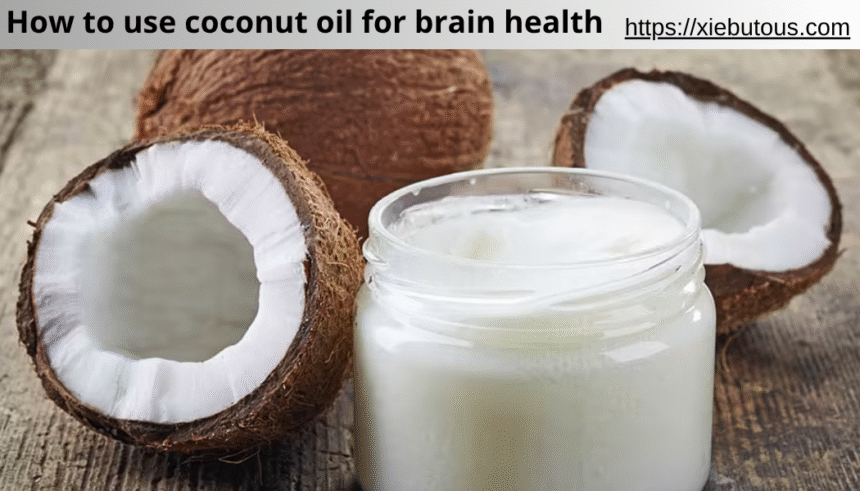
Coconut oil has become one of the most discussed natural health products in recent years. Many people now use it not only for cooking and skincare but also for brain support, memory improvement, and mental performance. Scientists, nutrition experts, and wellness researchers continue studying its possible effects on cognitive health.
As interest in natural wellness grows, more people are searching for reliable information about how to use coconut oil for brain health safely and effectively.
The brain needs a constant supply of energy to function properly. Traditionally, the brain uses glucose for fuel. However, researchers discovered that certain compounds found in coconut oil may provide an alternative energy source called ketones. This discovery increased interest in coconut oil for memory support, mental clarity, aging brains, and overall cognitive performance.
In this complete guide, you will learn how to use coconut oil for brain health, the science behind it, possible benefits, risks, best methods of use, dosage ideas, expert insights, and practical daily tips. This article is written in very easy English for readers in the United States and follows modern SEO and E-E-A-T principles for 2026.
What Is Coconut Oil?
Coconut oil is a natural oil extracted from mature coconuts. It contains a high amount of saturated fats, especially medium-chain triglycerides, often called MCTs.
Unlike many other fats, MCTs are processed differently in the body. They travel quickly to the liver, where they can be converted into ketones.

Ketones are important because the brain can use them as an energy source.
This unique property is one reason people are interested in how to use coconut oil for brain health.
Why Coconut Oil Is Linked to Brain Health
The connection between coconut oil and brain health mainly comes from ketone production.
Also read:How to Improve Brain Health: The Complete Guide to Better Memory, Focus, and Mental Performance
When the body converts MCTs into ketones, the brain may use those ketones for fuel, especially when glucose metabolism becomes less efficient.
Some researchers believe this may help support:
- Mental clarity
- Focus
- Memory
- Cognitive energy
- Brain aging support
Although research is still developing, many people report positive experiences after adding coconut oil to their routines.
Understanding Medium-Chain Triglycerides (MCTs)
Not all fats behave the same way.
Coconut oil contains MCTs, which are absorbed more quickly than long-chain fats.
The main MCTs found in coconut oil include:
- Caprylic acid
- Capric acid
- Lauric acid
MCTs are popular in ketogenic diets because they may help produce ketones faster.
Ketones may support brain function by providing alternative fuel.
How Ketones Support the Brain
The brain normally depends heavily on glucose.
However, ketones may provide backup energy when glucose use becomes less efficient.
This has created interest in coconut oil among people concerned about:
- Aging brains
- Mental fatigue
- Brain fog
- Focus issues
- Cognitive decline
Scientists continue studying whether ketones may support cognitive performance under certain conditions.
How to Use Coconut Oil for Brain Health Safely
Learning how to use coconut oil for brain health correctly is important because using too much too quickly may cause digestive discomfort.
The safest approach is gradual and balanced.
Start With Small Amounts
Beginners should start slowly.
A common starting amount is:
- 1 teaspoon daily
After the body adjusts, some people increase to:
- 1 to 2 tablespoons daily
Large amounts immediately may cause:
- Stomach upset
- Diarrhea
- Nausea
- Digestive discomfort
Slow introduction works best.
Best Time to Take Coconut Oil
Many people prefer using coconut oil in the morning because ketones may support mental energy during the day.
Popular timing options include:
- Morning coffee
- Breakfast smoothies
- Before studying
- Before work
- Before exercise
Some users report improved focus after morning use.
Ways to Use Coconut Oil for Brain Health
There are many practical ways to include coconut oil in a healthy lifestyle.
1. Add Coconut Oil to Coffee
One of the most popular methods is adding coconut oil to coffee.
This combination became famous through ketogenic and productivity-focused diets.
How to prepare:
- Brew coffee
- Add 1 teaspoon to 1 tablespoon coconut oil
- Blend for smoother texture
Some people feel increased mental clarity and sustained energy.
2. Use Coconut Oil in Smoothies
Smoothies make coconut oil easy to consume.
Popular ingredients include:
- Banana
- Blueberries
- Almond milk
- Spinach
- Protein powder
- Coconut oil
This provides healthy fats alongside nutrients that support brain function.
3. Cook With Coconut Oil
Coconut oil works well for cooking because it remains stable at high temperatures.
You can use it for:
- Eggs
- Vegetables
- Oatmeal
- Stir-fry dishes
- Baking
Replacing heavily processed oils with moderate amounts of coconut oil may improve overall diet quality.
4. Add It to Oatmeal
Warm oatmeal mixes well with coconut oil.
Adding a small spoonful may improve satiety and energy support.
5. Use in Keto-Friendly Recipes
Ketogenic diets often include coconut oil because of its MCT content.
Popular recipes include:
- Fat bombs
- Keto shakes
- Coconut snacks
- Low-carb desserts
Virgin Coconut Oil vs Refined Coconut Oil
Understanding the difference matters when learning how to use coconut oil for brain health.
Virgin Coconut Oil
Usually considered the better option.
Advantages include:
- Less processed
- More natural compounds
- Stronger coconut aroma
- Minimal chemical treatment
Refined Coconut Oil
More processed.
Advantages include:
- Milder taste
- Higher smoke point
- Less coconut flavor
For brain health purposes, many experts prefer virgin coconut oil because it retains more natural nutrients.
Potential Brain Benefits of Coconut Oil
Research is ongoing, but several possible benefits are commonly discussed.
Mental Energy Support
Some people report feeling mentally energized after consuming coconut oil.
Ketones may provide a quick alternative fuel source.
Improved Focus
Users often describe:
- Better concentration
- Reduced brain fog
- Improved productivity
However, experiences vary from person to person.
Support During Ketogenic Diets
Coconut oil helps many people maintain ketosis more easily.
Ketosis may support stable energy levels and mental clarity for some individuals.
Possible Cognitive Aging Support
Researchers continue exploring ketones and cognitive aging.
Some early studies suggest alternative brain fuel sources may be helpful under certain conditions.
However, coconut oil is not a cure for memory disorders.
Brain Health Requires More Than One Food
One important truth often ignored online is this:
No single food magically improves brain health.
Coconut oil may support brain function as part of a healthy lifestyle, but it cannot replace:
- Sleep
- Exercise
- Stress management
- Balanced nutrition
- Mental stimulation
Many exaggerated internet claims oversimplify the science.
Also read:Why Working With a Professional Real Estate Brokerage Matters
A smarter approach is viewing coconut oil as one supportive tool rather than a miracle solution.
What Science Says About Coconut Oil and the Brain
Research on coconut oil and brain function continues evolving.
Some studies suggest ketones may help support brain energy metabolism.
However, researchers also note important limitations:
- More large human studies are needed
- Results vary between individuals
- Long-term effects remain under investigation
The science is promising but not fully conclusive.
Balanced interpretation is important.
Coconut Oil and Memory Support
Memory support is one reason many people search how to use coconut oil for brain health.
Some users claim improvements in:
- Short-term memory
- Recall
- Focus during learning
- Mental sharpness
These effects may partly relate to stable energy availability from ketones.
However, lifestyle factors remain extremely important for memory health.
Can Coconut Oil Help Brain Fog?
Brain fog refers to mental fatigue, poor concentration, or unclear thinking.
Some people say coconut oil helps because:
- Ketones provide alternative fuel
- Stable fats may support sustained energy
- Blood sugar swings may decrease
Still, brain fog can have many causes, including:
- Stress
- Sleep problems
- Poor diet
- Medical conditions
Coconut oil alone may not solve deeper health issues.
How Much Coconut Oil Should You Use?
Moderation is important.
Most people use:
- 1 teaspoon to 2 tablespoons daily
Excessive intake is not recommended because coconut oil contains high levels of saturated fat.
Individual needs differ based on:
- Diet
- Activity level
- Health conditions
- Calorie needs
People with medical concerns should speak with healthcare professionals first.
Possible Side Effects of Coconut Oil
Although natural, coconut oil is not risk-free.
Possible side effects include:
- Digestive upset
- Diarrhea
- Nausea
- Increased calorie intake
- Elevated cholesterol in some individuals
Balance and moderation matter.
Who Should Be Careful With Coconut Oil?
Certain people should use extra caution.
This may include individuals with:
- Heart disease
- High cholesterol
- Digestive disorders
- Liver conditions
Healthcare guidance is important for personalized advice.
How to Choose High-Quality Coconut Oil
Not all products are equal.
Look for:
- Organic options
- Virgin or extra virgin labels
- Cold-pressed processing
- Minimal ingredients
- Trusted brands
Avoid products with unnecessary additives.
How to Store Coconut Oil
Proper storage helps maintain quality.
Store coconut oil:
- In a cool place
- Away from direct sunlight
- With the lid sealed tightly
Coconut oil naturally changes between solid and liquid depending on temperature.
This is normal.
Combining Coconut Oil With Other Brain-Healthy Foods
Coconut oil works best alongside a nutritious diet.
Brain-friendly foods include:
- Salmon
- Walnuts
- Blueberries
- Leafy greens
- Eggs
- Avocados
- Dark chocolate
- Pumpkin seeds
Combining healthy fats, antioxidants, vitamins, and minerals creates stronger long-term brain support.
Lifestyle Habits That Improve Brain Health
Many people focus too heavily on supplements while ignoring lifestyle basics.
True cognitive health depends heavily on:
Sleep
Poor sleep harms memory and focus.
Exercise
Physical activity improves blood flow to the brain.
Hydration
Even mild dehydration affects concentration.
Mental Activity
Reading, puzzles, and learning support brain function.
Stress Management
Chronic stress negatively impacts memory and cognition.
Coconut oil should support these habits, not replace them.
How Athletes and Professionals Use Coconut Oil
Some athletes and professionals use coconut oil for sustained energy and focus.

Popular uses include:
- Morning productivity routines
- Pre-work mental focus
- Low-carb nutrition plans
- Long work sessions
Mental endurance is increasingly important in modern work environments.
Coconut Oil and the Ketogenic Diet
Ketogenic diets heavily rely on fat for energy.
Coconut oil fits well because it supports ketone production.
Many keto followers believe ketones help:
- Mental performance
- Energy stability
- Appetite control
However, ketogenic diets are not ideal for everyone.
Individual responses differ.
The Difference Between Coconut Oil and MCT Oil
People often confuse these products.
Coconut Oil
Contains:
- Several types of fats
- Some MCTs
- Lauric acid
MCT Oil
More concentrated source of specific MCTs.
MCT oil may produce ketones faster than standard coconut oil.
However, coconut oil remains more natural and less processed.
Expert Insight: Why Coconut Oil Became So Popular for Brain Health
One major reason coconut oil gained attention is that people are searching for natural ways to support cognitive wellness as they age.
Modern lifestyles often include:
- Stress
- Sleep deprivation
- Processed foods
- Mental overload
People want practical tools to improve focus and mental energy.
Coconut oil became popular partly because users noticed subjective improvements in clarity and sustained energy, especially during low-carb eating patterns.
However, exaggerated online claims sometimes create unrealistic expectations.
The smartest approach is balanced:
Coconut oil may support brain health in some people, especially when used responsibly alongside healthy lifestyle habits.
Can Children Use Coconut Oil for Brain Health?
Small amounts of coconut oil are commonly used in family cooking.
However, parents should focus more on:
- Balanced nutrition
- Sleep
- Physical activity
- Healthy learning habits
Children do not need excessive coconut oil supplementation unless advised by healthcare professionals.
Can Older Adults Use Coconut Oil?
Older adults are among the most interested groups when learning how to use coconut oil for brain health.
Some seniors include coconut oil in diets focused on:
- Memory support
- Energy
- Healthy aging
However, older adults with cardiovascular concerns should discuss dietary fat intake with healthcare providers.
Common Myths About Coconut Oil and Brain Health
Myth 1: Coconut Oil Instantly Improves Intelligence
False.
No food instantly increases intelligence.
Myth 2: More Coconut Oil Means Better Results
False.
Excess intake may create health problems.
Myth 3: Coconut Oil Cures Brain Diseases
False.
There is no scientific proof that coconut oil cures neurological diseases.
Myth 4: Coconut Oil Works the Same for Everyone
False.
Individual biology and lifestyle factors matter greatly.
How to Create a Balanced Brain-Healthy Routine
A balanced routine may include:
- Nutritious meals
- Exercise
- Sleep
- Stress reduction
- Mental challenges
- Moderate healthy fats
- Coconut oil in moderation
This realistic approach supports long-term wellness better than chasing miracle solutions.
Simple Daily Coconut Oil Routine Example
Morning:
- Coffee with 1 teaspoon coconut oil
Lunch:
- Salad with healthy fats
Afternoon:
- Hydration and movement break
Dinner:
- Balanced protein and vegetables
Evening:
- Quality sleep routine
Consistency matters more than extreme habits.
The Future of Coconut Oil Research
Scientists continue studying:
- Ketones
- Brain metabolism
- Cognitive aging
- Nutrition-based brain support
Future research may provide clearer answers about long-term effects and ideal usage patterns.
Conclusion
Understanding how to use coconut oil for brain health starts with understanding balance, moderation, and realistic expectations.
Coconut oil contains medium-chain triglycerides that may help the body produce ketones, which can serve as an alternative fuel source for the brain. Some people report benefits like improved focus, mental clarity, and sustained energy.
However, coconut oil is not a miracle cure.
The best results usually happen when coconut oil becomes part of a healthy overall lifestyle that includes:
- Nutritious eating
- Exercise
- Quality sleep
- Stress management
- Mental stimulation
Starting with small amounts, choosing high-quality virgin coconut oil, and using it consistently but moderately is generally the safest approach.
As research continues evolving in 2026, coconut oil remains one of the most interesting natural foods being explored for cognitive wellness and brain energy support.
FAQs About How to Use Coconut Oil for Brain Health
How much coconut oil should I take daily for brain health?
Most people start with 1 teaspoon daily and gradually increase to 1 or 2 tablespoons if tolerated well.
What is the best way to use coconut oil for brain health?
Popular methods include adding it to coffee, smoothies, oatmeal, or cooking meals with it.
Can coconut oil improve memory?
Some people report better mental clarity and memory support, but scientific evidence is still developing.
Is virgin coconut oil better for brain health?
Many experts prefer virgin coconut oil because it is less processed and retains more natural compounds.
Can coconut oil replace medical treatment for cognitive disorders?
No. Coconut oil should never replace professional medical care or prescribed treatments.