



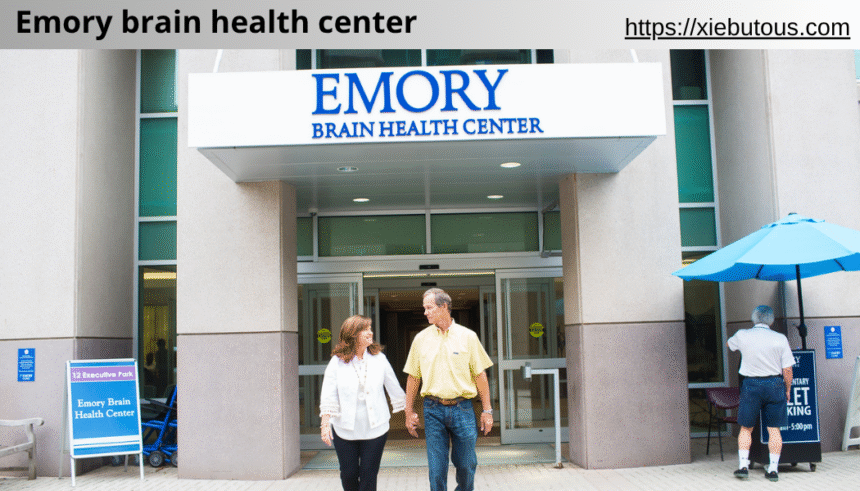
The emory brain health center is one of the leading medical centers in the United States for brain-related care, research, and treatment. Located in Atlanta, Georgia, this center brings together experts in neurology, neurosurgery, psychiatry, rehabilitation, and mental health under one system. Patients visit the center for advanced diagnosis, treatment, and long-term support for brain and nervous system conditions.
Today, brain health has become more important than ever. Millions of Americans live with neurological conditions such as Alzheimer’s disease, stroke, Parkinson’s disease, epilepsy, migraines, traumatic brain injuries, and mental health disorders. Because of this growing need, institutions like the emory brain health center atlanta have become essential for patients looking for specialized and modern care.
Unlike many hospitals that separate neurological services into different departments, the brain health center emory focuses on integrated treatment. Doctors, surgeons, therapists, psychologists, and researchers often work together to create a complete treatment plan for every patient. This team-based approach helps improve patient outcomes and creates a smoother healthcare experience.
This article explores everything you need to know about the emory brain health center, including services, specialties, research programs, neurology and neurosurgery care, patient experience, innovative treatments, and why it is recognized nationally for excellence.
What Is Emory Brain Health Center?
The emory brain health center is part of Emory Healthcare, one of the largest and most respected academic healthcare systems in the southeastern United States.
The center focuses on conditions affecting:
- The brain
- Spine
- Nervous system
- Mental health
- Cognitive function
- Movement and coordination
Its mission goes beyond simple treatment. The center aims to improve brain health through:
- Patient-centered care
- Medical research
- Education and training
- Innovation in neurological science
- Advanced technology and surgical techniques
Patients from across the United States travel to the emory brain health center atlanta for specialized treatment options that may not be available in smaller regional hospitals.

Why Brain Health Matters More Than Ever
Brain health affects every part of daily life. Memory, focus, movement, emotions, sleep, speech, and decision-making all depend on a healthy brain and nervous system.
Also read:How to Use Coconut Oil for Brain Health: Complete 2026 Guide for Better Memory and Mental Focus
Modern lifestyles, aging populations, stress, and chronic diseases have increased neurological problems worldwide. Conditions such as dementia, anxiety, depression, stroke, and traumatic brain injuries are becoming more common.
One major reason the brain health center emory stands out is its focus on both physical and mental aspects of neurological care. Many medical systems still separate mental health and neurological treatment, even though both are deeply connected.
For example:
- A stroke patient may also experience depression
- Parkinson’s disease can affect emotional health
- Brain injuries often impact memory and mood
- Chronic migraines may increase anxiety
The integrated model used by the emory brain health center helps address these overlapping issues more effectively.
Location and Facilities of Emory Brain Health Center Atlanta
The main facilities connected with the emory brain health center atlanta are located in Atlanta, Georgia. Atlanta has become a major medical hub in the southeastern United States, attracting patients from many neighboring states.
The center includes access to:
- Modern diagnostic imaging
- Surgical suites
- Rehabilitation facilities
- Research laboratories
- Outpatient clinics
- Inpatient neurological care units
- Memory and cognitive health programs
The environment is designed to support both medical treatment and patient comfort. Brain-related conditions can often feel stressful and emotional, so healthcare spaces that reduce anxiety and confusion are extremely important.
Emory Brain Health Center Neurology Services
The phrase “emory brain health center – neurology” is commonly searched because neurology is one of the center’s strongest specialties.
Neurology focuses on disorders affecting the brain, spinal cord, nerves, and muscles.
Conditions Treated in Neurology
The neurology teams at the emory brain health center commonly treat:
- Alzheimer’s disease
- Dementia
- Parkinson’s disease
- Epilepsy
- Multiple sclerosis
- Migraines
- Stroke
- Sleep disorders
- Neuropathy
- Concussions
- Brain injuries
- Movement disorders
- Neuromuscular diseases
Patients often receive highly personalized care plans based on their symptoms, age, lifestyle, and long-term health goals.
Advanced Neurological Testing
One major strength of the emory brain health center – neurology department is advanced testing and diagnostic tools.
These may include:
- MRI scans
- CT scans
- EEG testing
- Cognitive assessments
- Sleep studies
- Nerve conduction testing
- Genetic testing
Early diagnosis is critical for many neurological diseases. Conditions like Alzheimer’s and Parkinson’s can progress slowly over time, so identifying symptoms early can help improve treatment outcomes.
Stroke Care and Recovery
Stroke treatment is another important specialty at the brain health center emory.
Fast treatment after a stroke can save brain tissue and reduce long-term disability. Specialized stroke teams often work around the clock to provide emergency neurological care.
Stroke recovery programs may include:
- Physical therapy
- Speech therapy
- Occupational therapy
- Cognitive rehabilitation
- Emotional support
This complete recovery approach helps patients regain independence and improve quality of life.
Emory Brain Health Center Neurosurgery Programs
Another highly searched term is “emory brain health center – neurosurgery.”
Neurosurgery is one of the most advanced areas of modern medicine. It involves surgical treatment for conditions affecting the brain, spine, and nervous system.
Types of Neurosurgery Offered
The emory brain health center – neurosurgery teams may perform procedures related to:
- Brain tumors
- Spinal disorders
- Epilepsy surgery
- Deep brain stimulation
- Trauma surgery
- Vascular disorders
- Aneurysms
- Pituitary tumors
- Spine injuries
- Herniated discs
Modern neurosurgery is far less invasive than in the past. Many procedures now use:
- Robotic technology
- Image-guided surgery
- Minimally invasive techniques
- Microsurgery
- Laser-assisted treatments
These innovations often reduce recovery time and improve surgical precision.
Brain Tumor Treatment
Brain tumor treatment requires cooperation between multiple specialists. At the emory brain health center, surgeons, neurologists, oncologists, and rehabilitation experts may work together on treatment plans.
Treatment options may include:
- Surgery
- Radiation therapy
- Chemotherapy
- Clinical trials
- Immunotherapy
Personalized treatment strategies are becoming increasingly important because every tumor behaves differently.
Spine Care and Surgery
Spinal disorders are another major focus area at the brain health center emory.
Patients with chronic back pain, spinal injuries, or nerve compression often require advanced imaging and specialized surgical evaluation.
Common spine conditions treated include:
- Degenerative disc disease
- Scoliosis
- Spinal stenosis
- Sciatica
- Herniated discs
- Spinal tumors
Modern spine surgery techniques aim to reduce pain while preserving mobility and function.
Memory and Cognitive Health Programs
One of the most valuable services offered at the emory brain health center is memory and cognitive care.
Memory loss can be frightening for patients and families. Specialized clinics help evaluate:
Also read:How to Improve Brain Health: The Complete Guide to Better Memory, Focus, and Mental Performance
- Mild cognitive impairment
- Dementia
- Alzheimer’s disease
- Age-related memory decline
These programs often include:
- Cognitive testing
- Brain imaging
- Medication management
- Family counseling
- Lifestyle recommendations
Research shows that healthy habits can sometimes help support long-term brain function. Doctors may recommend:
- Physical exercise
- Better sleep
- Mental stimulation
- Healthy diet
- Stress management
- Social engagement
The center’s focus on prevention and education is especially important as America’s population continues aging.
Mental Health and Emotional Wellness
Brain health is closely connected to emotional wellness. The brain health center emory recognizes this connection by supporting mental health services alongside neurological care.
Patients may receive treatment for:
- Depression
- Anxiety
- PTSD
- Mood disorders
- Behavioral changes
- Emotional effects of neurological illness
This whole-person care model is one reason the emory brain health center atlanta receives strong recognition from patients and healthcare professionals.
Research and Innovation at Emory Brain Health Center
Research is one of the biggest reasons the emory brain health center is respected nationally.
As part of an academic medical system, the center participates in:
- Clinical trials
- Neuroscience research
- Experimental therapies
- Brain imaging studies
- Alzheimer’s research
- Parkinson’s disease studies
Research helps patients gain access to newer treatment approaches before they become widely available.
Artificial Intelligence and Brain Research
Modern neurological medicine increasingly uses artificial intelligence and advanced computing.
AI tools may help doctors:
- Analyze brain scans faster
- Predict disease progression
- Improve surgical planning
- Identify patterns in neurological disease
The future of brain medicine will likely depend heavily on personalized medicine and data-driven healthcare.
Clinical Trials
Clinical trials at the emory brain health center may offer opportunities for patients with difficult or rare conditions.
These studies help researchers test:
- New medications
- Surgical techniques
- Rehabilitation methods
- Brain stimulation therapies
Participation in clinical trials can sometimes provide access to innovative treatments unavailable elsewhere.
Technology Used at Emory Brain Health Center
Technology plays a major role in modern neurological care.
The emory brain health center uses advanced medical systems to improve diagnosis and treatment accuracy.
Important technologies may include:
- Functional MRI
- PET imaging
- Robotic-assisted surgery
- Digital cognitive testing
- Neuro-navigation systems
- Deep brain stimulation devices
Technology alone is not enough, however. One important insight is that the best neurological care combines advanced tools with experienced human judgment.
Many hospitals can purchase modern equipment, but the skill and collaboration of medical teams often determine the true quality of care.
Patient Experience at Emory Brain Health Center Atlanta
The patient experience is a critical part of healthcare quality.
Brain-related conditions can affect communication, emotions, memory, and independence. Because of this, patients often need more emotional support than traditional medical care provides.
The emory brain health center atlanta aims to create a patient-centered environment by focusing on:
- Clear communication
- Coordinated appointments
- Family involvement
- Education and support
- Rehabilitation planning
Patients and caregivers often appreciate having multiple specialists connected within one healthcare system.
How Emory Brain Health Center Supports Families
Neurological diseases affect entire families, not only patients.
Conditions such as dementia, stroke, and Parkinson’s disease often create emotional and financial stress for caregivers.

The brain health center emory supports families through:
- Counseling
- Educational resources
- Support groups
- Caregiver guidance
- Long-term planning assistance
This family-centered approach can improve overall patient outcomes because strong caregiver support often helps recovery and treatment success.
Also read:Why Working With a Professional Real Estate Brokerage Matters
The Importance of Preventive Brain Health
One major shift happening in medicine is the move from treatment to prevention.
The emory brain health center increasingly emphasizes preventive brain health strategies.
Preventive recommendations may include:
- Regular exercise
- Blood pressure control
- Healthy eating
- Better sleep habits
- Avoiding smoking
- Managing diabetes
- Reducing stress
- Staying mentally active
Scientific research continues showing strong links between physical health and brain health.
For example:
- Heart disease can increase stroke risk
- Diabetes may affect memory
- Poor sleep impacts cognitive performance
- Chronic stress affects emotional health
This broader understanding of brain wellness is shaping the future of healthcare.
Education and Medical Training
The emory brain health center also plays a major role in educating future healthcare professionals.
Academic medical centers help train:
- Neurologists
- Neurosurgeons
- Nurses
- Psychologists
- Researchers
- Rehabilitation specialists
Teaching hospitals often stay connected with the newest medical developments because education and research are integrated into patient care.
National Reputation and Recognition
The emory brain health center is widely respected for its neurological and neurosurgical programs.
Several factors contribute to its strong reputation:
- Academic research
- Advanced technology
- Specialized physicians
- Comprehensive care
- Complex surgical expertise
- Innovation in neuroscience
Large academic centers like Emory often handle difficult cases referred from smaller hospitals.
This experience with complex neurological disorders helps improve expertise and treatment quality.
Why Patients Choose Emory Brain Health Center
Patients choose the emory brain health center atlanta for many reasons.
Comprehensive Care
Many patients prefer receiving neurology, neurosurgery, rehabilitation, and mental health support within one healthcare system.
Access to Specialists
The center includes highly trained specialists focused on specific neurological conditions.
Research Opportunities
Patients may gain access to newer therapies and clinical trials.
Advanced Surgical Expertise
Complex neurological surgeries often require highly experienced surgical teams.
Integrated Brain Health Approach
The center focuses on both physical and emotional brain wellness.
Challenges in Modern Brain Healthcare
Even top medical centers face challenges.
Brain disorders remain among the most difficult conditions in medicine because the brain is extremely complex.
Major healthcare challenges include:
- Rising dementia rates
- Mental health demand
- High treatment costs
- Specialist shortages
- Long-term rehabilitation needs
Centers like the brain health center emory are helping shape solutions through research, innovation, and integrated care systems.
Future of Emory Brain Health Center
The future of neurological medicine looks promising.
Areas expected to grow include:
- Personalized medicine
- AI-assisted diagnosis
- Gene therapy
- Advanced neuroimaging
- Brain-computer interfaces
- Precision neurosurgery
The emory brain health center will likely continue expanding its role in neuroscience research and advanced treatment development.
One important trend is the growing understanding that brain health begins long before disease appears. Preventive care, mental wellness, and healthy lifestyle choices are becoming central parts of neurological medicine.
How to Prepare for a Visit to Emory Brain Health Center
Patients preparing for appointments at the emory brain health center should consider bringing:
- Medical records
- Brain imaging results
- Medication lists
- Symptom notes
- Family medical history
- Questions for specialists
Good preparation helps doctors make faster and more accurate evaluations.
Patients may also benefit from bringing a family member or caregiver, especially for memory-related conditions.
Insurance and Access to Care
Healthcare access remains an important topic in the United States.
Large academic medical centers often work with multiple insurance providers, though coverage can vary depending on the plan and treatment type.
Patients considering treatment at the emory brain health center atlanta should:
- Verify insurance coverage
- Confirm referral requirements
- Review appointment policies
- Ask about financial assistance if needed
Understanding costs and coverage ahead of time can reduce stress during treatment.
Final Thoughts
The emory brain health center represents the future of brain healthcare in the United States. By combining neurology, neurosurgery, mental health, rehabilitation, and research into one system, the center provides comprehensive care for patients facing complex neurological conditions.
Modern brain medicine requires more than technology alone. It requires teamwork, early diagnosis, compassionate care, and ongoing research. The emory brain health center atlanta continues to grow as a major leader in these areas.
For patients dealing with neurological illness, access to specialized expertise can make a life-changing difference. From stroke recovery and brain surgery to memory care and emotional wellness, the brain health center emory demonstrates how integrated healthcare can improve both treatment outcomes and quality of life.
As neuroscience advances over the next decade, institutions like the emory brain health center will likely play an even bigger role in shaping the future of medicine, prevention, and brain wellness across America.
FAQs About Emory Brain Health Center
What is Emory Brain Health Center known for?
The emory brain health center is known for advanced neurological care, neurosurgery, brain research, stroke treatment, memory care, and integrated mental health services.
Where is Emory Brain Health Center located?
The main emory brain health center atlanta facilities are located in Atlanta, Georgia.
Does Emory Brain Health Center treat Alzheimer’s disease?
Yes. The center provides evaluation, diagnosis, treatment, and support services for Alzheimer’s disease and other forms of dementia.
What neurological conditions are treated at Emory Brain Health Center?
Conditions include stroke, epilepsy, Parkinson’s disease, migraines, multiple sclerosis, brain tumors, traumatic brain injuries, and movement disorders.
Does Emory Brain Health Center offer neurosurgery?
Yes. The emory brain health center – neurosurgery department performs advanced procedures for brain tumors, spine conditions, epilepsy, aneurysms, and more.
What makes Emory Brain Health Center different from regular hospitals?
The center combines neurology, neurosurgery, mental health, rehabilitation, and research into one integrated system focused entirely on brain health.