




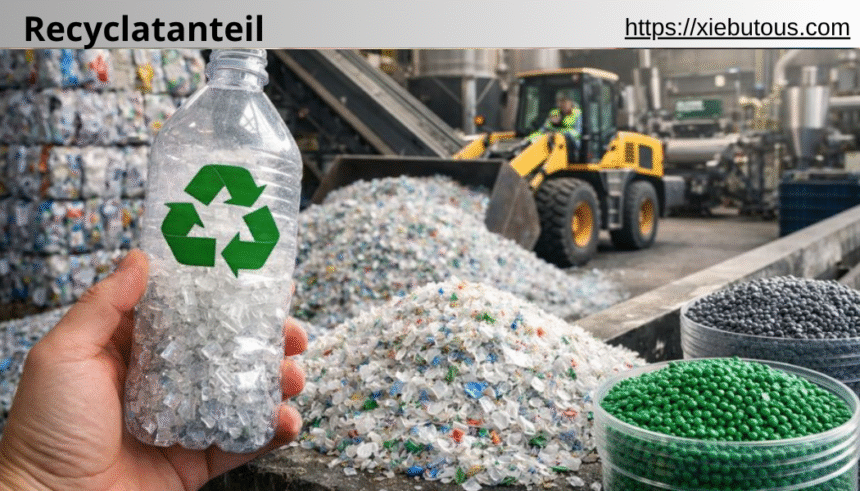
Sustainability has become one of the most important topics in modern business, manufacturing, and consumer behavior. People today want products that reduce waste, protect natural resources, and support a cleaner environment. Because of this shift, terms related to recycling and sustainability are becoming more common across industries. One of the most important concepts gaining attention is “recyclatanteil.”
The keyword recyclatanteil is increasingly used in discussions about recycled materials, sustainable products, environmental responsibility, packaging regulations, and circular economy strategies. Although the term may sound technical at first, its meaning is actually very simple and extremely important for businesses and consumers alike.
Recyclatanteil measures the actual percentage of recycled material contained within a product. Instead of only focusing on what consumers place in recycling bins, recyclatanteil focuses on how much recycled content is truly used during manufacturing. This changes the conversation from “Can this product be recycled?” to “How much recycled material already exists inside this product?”
That difference is very important.
As governments, businesses, and consumers push for greener production systems, recyclatanteil has become a major indicator of environmental responsibility. Companies that increase their recyclatanteil are often seen as more sustainable, forward-thinking, and environmentally conscious.
This comprehensive guide explains everything you need to know about recyclatanteil in 2026. You will learn how it works, why it matters, how industries use it, what challenges exist, and how it may shape the future of sustainable manufacturing.
What Does Recyclatanteil Mean?
The word recyclatanteil comes from German sustainability terminology and is commonly connected to recycled material content in products or packaging.
In simple terms, recyclatanteil means:
“The percentage of recycled material used in a product.”
For example:
- A plastic bottle made with 60% recycled plastic has a recyclatanteil of 60%.
- A cardboard box made with 90% recycled paper has a recyclatanteil of 90%.
- A metal can made entirely from reused aluminum has a recyclatanteil of 100%.
This measurement helps consumers, regulators, and businesses understand how sustainable a product really is.
The concept is becoming increasingly important because many products are advertised as recyclable, but they may contain very little recycled material during production. Recyclatanteil solves this problem by focusing on actual recycled input rather than future recycling possibilities.

Why Recyclatanteil Matters More Than Ever
Modern sustainability discussions are changing rapidly. In the past, companies mainly focused on whether products could eventually be recycled. Today, that is no longer enough.
Also read:Duaction: The Complete Guide to Understanding the Power of Combined Actions in Modern Systems
Consumers and governments now want proof that recycled materials are already being used during manufacturing.
This is where recyclatanteil becomes extremely valuable.
Reduces Raw Material Consumption
Using recycled materials lowers the need for extracting new natural resources.
This helps reduce:
- Mining
- Deforestation
- Oil extraction
- Industrial pollution
- Habitat destruction
A higher recyclatanteil often means lower environmental impact.
Supports the Circular Economy
The circular economy focuses on keeping materials in use for as long as possible.
Instead of throwing materials away after one use, industries recycle and reuse them repeatedly.
Recyclatanteil helps measure how effectively companies participate in this circular system.
Reduces Carbon Emissions
Manufacturing products from recycled materials often requires less energy than producing them from raw materials.
For example:
- Recycled aluminum uses far less energy than new aluminum production.
- Recycled paper reduces energy and water usage.
- Recycled plastics can lower fossil fuel dependence.
As climate concerns grow worldwide, recyclatanteil becomes an important climate strategy.
Builds Consumer Trust
Modern consumers care about sustainability.
Many shoppers now check:
- Eco labels
- Packaging information
- Sustainability reports
- Environmental certifications
A clear recyclatanteil percentage helps companies demonstrate transparency and responsibility.
How Recyclatanteil Is Calculated
The calculation process is usually straightforward.
The formula is:
Recycled Material Weight ÷ Total Product Weight × 100
For example:
If a product weighs 1,000 grams and contains 400 grams of recycled material:
400 ÷ 1,000 × 100 = 40%
The recyclatanteil is 40%.
However, real-world calculations can become more complex depending on:
- Mixed materials
- Production waste
- Multi-layer packaging
- Imported components
- Chemical recycling methods
Industries often use certifications and audits to verify recyclatanteil claims.
The Difference Between Recyclable and Recyclatanteil
Many consumers confuse these two concepts.
However, they are very different.
Recyclable Products
A recyclable product can potentially be processed and reused after disposal.
But this does not mean it already contains recycled materials.
Recyclatanteil
Recyclatanteil measures the actual recycled content already inside the product during manufacturing.
This distinction is extremely important.
A product may be:
- 100% recyclable
- But contain 0% recycled material
Another product may:
- Contain 80% recycled material
- But still have limited future recyclability
The future of sustainability depends on improving both areas together.
Industries Where Recyclatanteil Is Most Important
Many industries now focus heavily on recycled material percentages.
Packaging Industry
Packaging is one of the biggest areas where recyclatanteil matters.
Companies increasingly use recycled:
- Plastic
- Cardboard
- Glass
- Aluminum
- Paper
Governments worldwide are introducing packaging laws that require minimum recycled content levels.
Automotive Industry
Car manufacturers now use recycled materials in:
- Interior fabrics
- Plastic parts
- Metal components
- Insulation materials
Electric vehicle manufacturers especially emphasize sustainability.
Construction Industry
The building sector generates huge amounts of waste.
Recyclatanteil is now important for:
- Concrete
- Steel
- Wood products
- Insulation
- Flooring materials
Green building certifications often reward higher recycled content.
Fashion Industry
Sustainable fashion has become a major global trend.
Brands increasingly use recycled:
- Polyester
- Cotton
- Nylon
- Ocean plastics
Consumers now expect eco-friendly clothing options.
Electronics Industry
Technology companies use recycled materials in:
- Smartphones
- Computers
- Packaging
- Batteries
- Cables
Electronic waste recycling is becoming more important each year.
Why Governments Are Supporting Higher Recyclatanteil
Governments around the world are creating stronger sustainability policies.
Several reasons explain this trend.
Climate Goals
Countries want to reduce carbon emissions and meet environmental targets.
Waste Reduction
Landfills continue growing rapidly worldwide.
Higher recyclatanteil helps reduce waste generation.
Resource Protection
Natural resources are limited.
Recycling helps preserve raw materials for future generations.
Consumer Demand
Public awareness about sustainability has increased dramatically.
Voters now expect environmental action from governments and corporations.
As regulations become stricter, recyclatanteil reporting may become mandatory in more industries.
Recyclatanteil and the Circular Economy
The circular economy is one of the most important sustainability concepts today.
Traditional economies follow a linear model:
Take → Make → Use → Dispose
The circular economy changes this process:
Reduce → Reuse → Recycle → Rebuild
Recyclatanteil plays a major role in this transformation because it measures how effectively recycled materials return into production systems.
Without high recyclatanteil levels, recycling systems become weak and inefficient.
The circular economy depends on both:
- Consumers recycling products
- Manufacturers using recycled materials
Both steps are necessary for long-term sustainability.
Common Materials Used in Recyclatanteil Systems
Different industries use different recycled materials.
Recycled Plastic
Plastic recycling has become a major global priority.
Common recycled plastics include:
- PET
- HDPE
- Polypropylene
These materials are used in packaging, textiles, and containers.
Recycled Aluminum
Aluminum is highly recyclable and retains quality after multiple recycling cycles.
It is widely used in:
- Beverage cans
- Automotive parts
- Construction
Recycled Paper
Paper products often contain high recyclatanteil percentages.
Examples include:
- Cardboard boxes
- Office paper
- Packaging materials
Recycled Glass
Glass can be recycled repeatedly without major quality loss.
Recycled Textiles
Fashion brands increasingly use recycled fibers in sustainable clothing collections.
Challenges in Increasing Recyclatanteil
Although recyclatanteil offers many benefits, companies still face major challenges.
Material Quality Issues
Some recycled materials may have lower quality compared to virgin materials.
Higher Processing Costs
Advanced recycling technologies can be expensive.
Limited Recycling Infrastructure
Not all regions have strong recycling systems.
Contamination Problems
Mixed or contaminated waste reduces recycling efficiency.
Supply Chain Complexity
Tracking recycled content across global supply chains can be difficult.
Also read:Fontlu: The Complete Guide to Smart Font Discovery, Typography Trends, and Creative Design Success
Despite these challenges, innovation continues improving recycling systems worldwide.
How Consumers Influence Recyclatanteil Trends
Consumers now have major influence over sustainability decisions.
Many shoppers prefer brands that:
- Use recycled materials
- Reduce plastic waste
- Support sustainability goals
- Publish environmental reports
Social media has also increased public awareness about environmental issues.
Because of this pressure, companies now compete to improve sustainability performance.
Recyclatanteil has become a valuable marketing and trust-building tool.
Greenwashing and the Importance of Transparency
As sustainability becomes more popular, some companies exaggerate environmental claims.
This practice is called greenwashing.
Examples include:
- Misleading eco labels
- False recycled content claims
- Vague sustainability language
This is why verified recyclatanteil measurements matter.
Clear percentages provide more transparency than general environmental statements.
Consumers increasingly want:
- Independent certifications
- Verified data
- Honest sustainability reporting
Transparency will become even more important in coming years.
How Technology Is Improving Recyclatanteil Systems
Technology is helping recycling systems become smarter and more efficient.
AI-Powered Waste Sorting
Artificial intelligence now helps identify and separate recyclable materials more accurately.
Blockchain Tracking
Blockchain systems can improve transparency across recycling supply chains.
Advanced Chemical Recycling
New recycling technologies can recover materials previously considered unrecyclable.
Smart Manufacturing
Factories increasingly optimize recycled material usage using digital systems.
Data Analytics
Companies use sustainability data to improve recyclatanteil targets.
Technology will likely make recycled material systems more efficient in the future.
Recyclatanteil in the United States Market
The United States is seeing growing interest in recycled material content.
Several trends are driving this growth.
Corporate Sustainability Goals
Large American companies now publish environmental reports and sustainability targets.
Plastic Reduction Initiatives
Many businesses are reducing virgin plastic usage.
Consumer Awareness
American consumers increasingly support environmentally responsible products.
ESG Investing
Investors now evaluate companies based on environmental performance.
Packaging Regulations
Some states are introducing stricter recycling and packaging rules.
As sustainability expectations increase, recyclatanteil will likely become more visible in U.S. markets.
The Future of Recyclatanteil in 2026 and Beyond
The importance of recyclatanteil is expected to grow significantly in coming years.
Several major trends support this prediction.

Mandatory Recycled Content Laws
More governments may require minimum recycled content percentages.
Stronger Sustainability Reporting
Companies will likely publish more detailed environmental data.
Eco-Conscious Consumers
Future generations are expected to prioritize sustainability even more.
Innovation in Recycling Technology
New recycling systems will improve material recovery and quality.
Growth of Circular Manufacturing
Industries will increasingly redesign products for reuse and recycling.
Recyclatanteil may eventually become a standard sustainability metric across global industries.
Why Businesses Should Prioritize Recyclatanteil
Businesses that improve recyclatanteil can gain several competitive advantages.
Stronger Brand Reputation
Consumers trust environmentally responsible brands more.
Better Regulatory Compliance
Higher recycled content may help companies meet future regulations.
Cost Savings Over Time
Efficient recycling systems can reduce raw material costs.
Investor Attraction
Sustainability-focused investors increasingly support eco-friendly businesses.
Customer Loyalty
Environmentally conscious consumers often remain loyal to sustainable brands.
Companies that ignore sustainability trends may struggle in future markets.
Also read:Türk Idla: The Rise of Turkey’s New Digital Identity Movement
Misconceptions About Recyclatanteil
Many misunderstandings still exist about recycled content systems.
“Recycled Materials Are Always Lower Quality”
Modern recycling technologies have improved dramatically.
Many recycled materials now offer excellent performance.
“Only Plastic Matters”
Recyclatanteil applies to many materials including paper, glass, metals, and textiles.
“Recyclable Means Sustainable”
A recyclable product is not automatically environmentally friendly.
Actual recycled content matters too.
“Consumers Alone Solve Recycling Problems”
Manufacturers also play a major role by using recycled materials in production.
Understanding these misconceptions helps create more informed sustainability discussions.
How Small Businesses Can Improve Recyclatanteil
Large corporations are not the only companies that can improve sustainability.
Small businesses can also take meaningful action.
Use Recycled Packaging
Eco-friendly packaging is becoming more accessible and affordable.
Work With Sustainable Suppliers
Supplier choices greatly influence recycled content levels.
Reduce Material Waste
Efficient production systems support sustainability goals.
Educate Customers
Transparency helps build customer trust.
Track Sustainability Data
Even simple measurements can improve long-term sustainability planning.
Small improvements can create significant environmental impact over time.
Recyclatanteil and Consumer Psychology
Sustainability now affects buying behavior more than ever.
Consumers often associate recycled content with:
- Responsibility
- Modern values
- Innovation
- Environmental care
- Ethical business practices
Interestingly, many consumers are willing to pay more for sustainable products.
However, trust remains extremely important.
If consumers believe sustainability claims are dishonest, brand reputation can suffer quickly.
This is why verified recyclatanteil reporting matters so much in modern marketing.
The Global Impact of Higher Recyclatanteil
Increasing recycled material usage can create major worldwide benefits.
Reduced Pollution
Less waste enters landfills and oceans.
Lower Energy Consumption
Recycling often requires less energy than raw material extraction.
Conservation of Natural Resources
Forests, minerals, and fossil fuels can be preserved longer.
Job Creation
Recycling industries create employment opportunities.
Climate Protection
Reduced emissions help support global climate goals.
Although recyclatanteil may seem like a technical measurement, its environmental impact can be enormous.
Final Thoughts on Recyclatanteil
Recyclatanteil has become one of the most important sustainability concepts in modern manufacturing and environmental policy. Instead of focusing only on whether products can eventually be recycled, recyclatanteil measures something far more meaningful: how much recycled material is already being used today.
This shift represents a major evolution in sustainability thinking.
Consumers, governments, and businesses now understand that true environmental progress requires more than promises about future recycling. It requires immediate action through higher recycled content usage, smarter manufacturing systems, and stronger circular economy practices.
As industries continue adapting to climate concerns, resource limitations, and changing consumer expectations, recyclatanteil will likely become even more important across global markets.
For companies, improving recyclatanteil is no longer only about environmental responsibility. It is also about business competitiveness, consumer trust, regulatory compliance, and long-term innovation.
For consumers, understanding recyclatanteil provides a smarter way to evaluate sustainable products and support responsible brands.
In 2026 and beyond, recyclatanteil is expected to play a central role in shaping the future of sustainable manufacturing, eco-friendly packaging, and global environmental progress.
Frequently Asked Questions About Recyclatanteil
What does recyclatanteil mean?
Recyclatanteil refers to the percentage of recycled material used within a product or packaging.
Why is recyclatanteil important?
It helps measure real sustainability performance by showing how much recycled content manufacturers actually use.
Is recyclatanteil the same as recyclable?
No. Recyclable means a product can potentially be recycled in the future. Recyclatanteil measures recycled content already present in the product.
Which industries use recyclatanteil the most?
Packaging, automotive, fashion, construction, and electronics industries commonly use recyclatanteil systems.
How is recyclatanteil calculated?
It is calculated by dividing recycled material weight by total product weight and multiplying by 100.